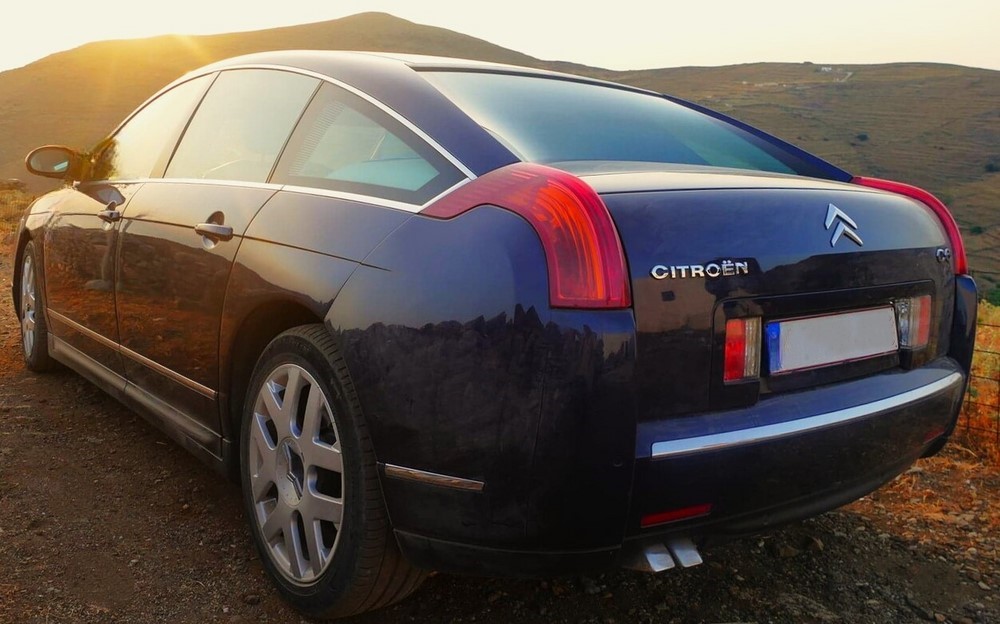
Driving Experiences
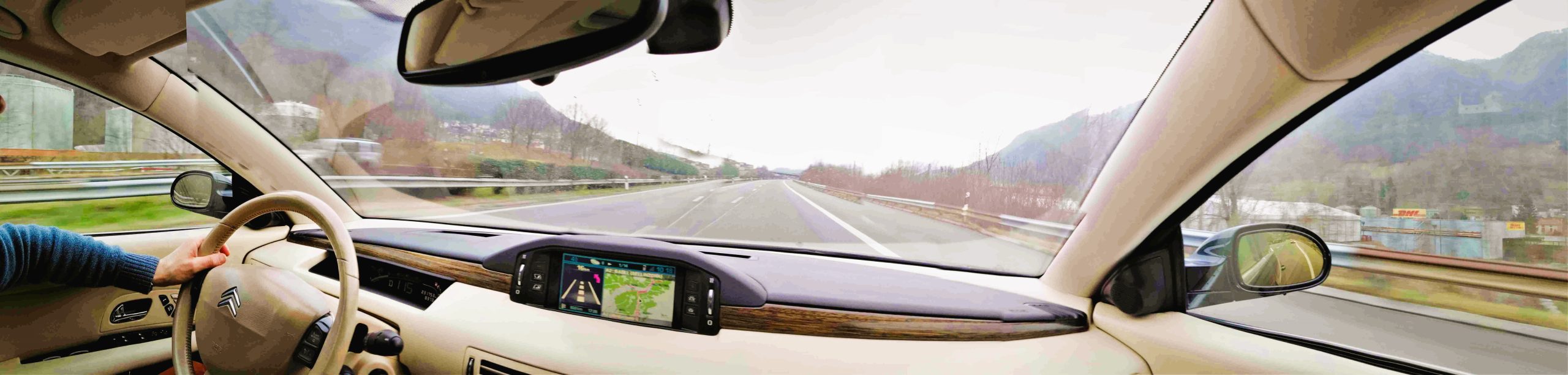
As you step into the striking hypcar, the first thing that catches your attention is the long-awaited return of frameless windows—a feature that has been sorely missed since the golden era of the DS and SM. Moving further inside, you’ll discover a spacious, welcoming cabin adorned with unique details that truly enhance the car’s character. Among these delightful touches are the slide-down, soft-close half-moon door storage covers, which add an air of sophistication. Just like the original DS models, the windscreen wipers move in opposition, but now they effectively clear the entire windscreen. Some subtle quirks may escape the driver’s notice but are sure to turn heads. For instance, a speed-sensitive boot lid spoiler pops up at 65 km/h, soaring even higher at 130 km/h.
However, not everything is perfect in the cockpit. There are several awkward, non-ergonomic features on the central dashboard. For starters, there is a conspicuous absence of a touchscreen—something that was already a staple in the C6’s contemporary Toyota Prius. GPS information from Citroën’s NaviDrive can be sluggish, and the temperature adjustment buttons can be a bit finicky, especially as they lack corresponding controls on the steering wheel. Adjusting the temperature can feel nearly impossible without diverting your gaze from the road for a few seconds, raising safety concerns. It is puzzling why the engineers, who prioritised safety by introducing the first Lane Departure Warning System in the C6, did not opt for simple rotary knobs—currently used for the air vent openings—for temperature control, although we do see that feature in the later C5 II.
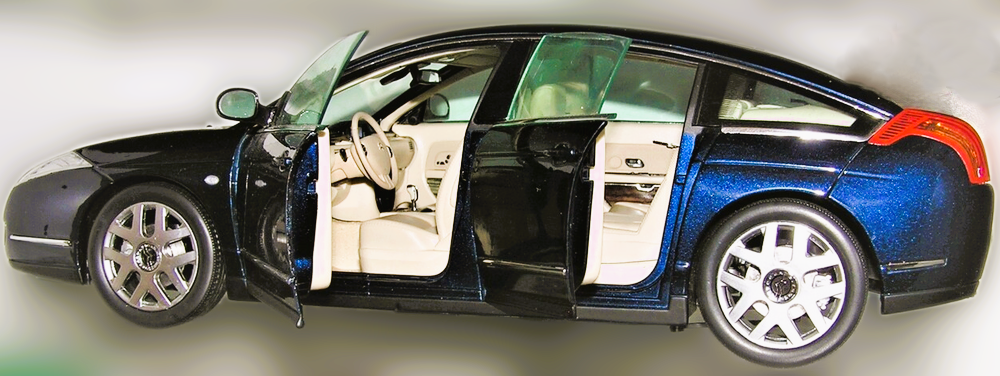
In this model, equipped with the lounge pack option, the rear seats of the C6 come with individually reclining backrests, making it an ideal choice for our taller family members who definitely need more headroom. While the interior exudes space and luxury, squeezing in a fifth passenger can be a bit tricky, as the central section of the back seat is firmer than the others. However, the central rear armrest includes a nifty switch, allowing a French president—yes, even one in need of extra legroom—to slide the front passenger’s seat forward, regardless of whether it’s occupied by their bodyguard, whose stature might be somewhat concerning!
Now, I haven’t yet experienced the joys of the heated seat, as it only functions for all the seats except the driver’s, which, conveniently, is also on our repair list. Additionally, there have been some pesky electronic gremlins affecting the cruise control, making it a bit hit-and-miss.

On the road, the C6 feels as substantial as one would expect, despite its four aluminium doors. The 2.7-litre HDI diesel engine delivers impressive torque, outpacing its petrol counterpart and providing ample power to compete with today’s executive rivals. Thanks to its fine aerodynamics, you can anticipate a fuel consumption of around 8.5 litres per 100 km during mixed city and highway driving. The design, coupled with all-round laminated glass, contributes to the car’s remarkably quiet interior, as long as the door and window seals are in good condition.
After just a few kilometres behind the wheel, you’ll quickly appreciate the incredibly smooth ride quality, which perhaps even rivals that of its hydropneumatic predecessors on any road surface. The suspension, equipped with electronic sensors, adjusts its firmness and damping effortlessly. At urban speeds, you might experience a bit of a floaty sensation and some side-to-side shakiness; a quick manual switch to sport mode can help alleviate that. When sport suspension mode is engaged, the changes in suppleness are subtle—you’ll mainly notice the difference at highway speeds above 80 km/h, where the rear’s pitch effect will no longer replicate the thrilling float of the DS. Ultimately, it comes down to personal preference, as the C6 is designed to provide a relaxed driving experience. Just a note: if you’re after an even cozier ride that comes closer to the legendary DS, I suggest opting for 55-profile tyres on 17-inch wheels instead of the 45-profile ones on 18-inch wheels.
The C6 truly impresses in handling, despite its nearly 2-tonne weight. The braking system features a classic servo-assisted setup, which is now separate from the hydropneumatic circuit. Interestingly, for Citroën, the brake pedal is positioned higher than the accelerator. It took me over a year to adapt to this unconventional arrangement; initially, I thought I had encountered a fault and even replaced the brake servo pump. However, I later realised that my struggles were simply due to spending too much time behind the wheel of previous Citroën hypcars! The electric handbrake is a brilliant addition, being the first to operate on the rear wheels of a Citroën while integrating with the car’s ABS. What sets the C6 apart from other luxury saloons is its surprising increase in ground clearance at the simple press of a button (see photo below).
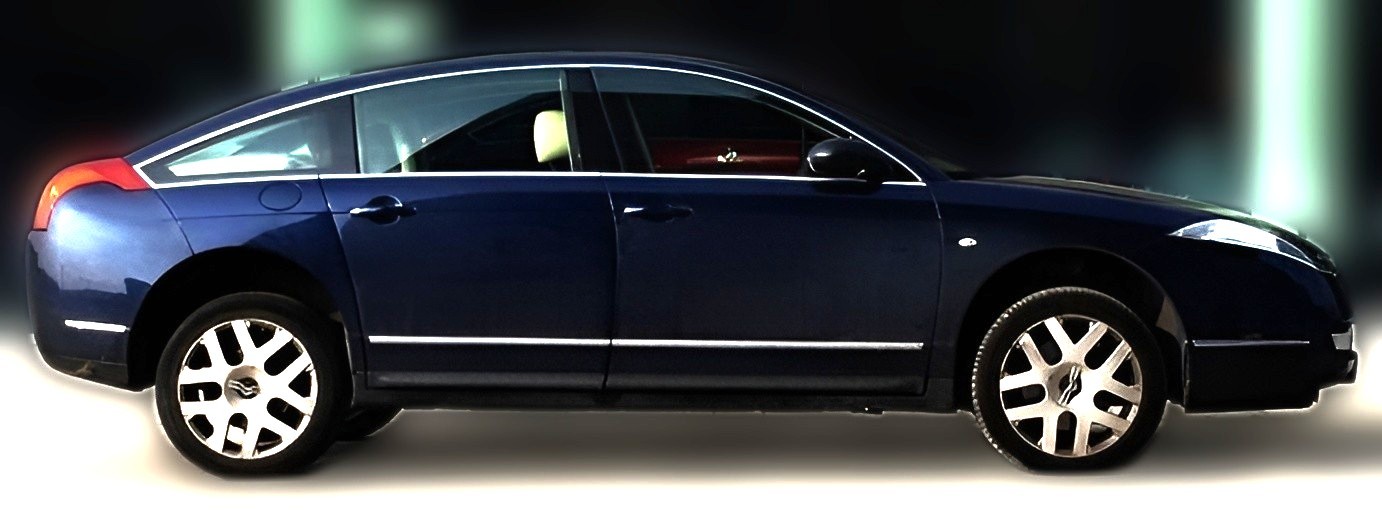
These days, the C6 has become our family’s dependable companion for long journeys, even on less-than-perfect roads. We often travel across Europe, covering 3,000 km in a single stretch, with the only limitation being restrictions on Euro-4 vehicles in cities. The ultimate big hypcar certainly has its flaws, such as its less-than-friendly dashboard ergonomics and a lamentable turning radius that complicates urban manoeuvring, especially when compared to the long SM, which could turn on a dime like a London cab! Interestingly, none of these issues contributed to the C6’s notorious commercial flop, which has anyway now become irrelevant, as the C6 is beginning to gain a reputation as a rare hypcar gem.