
Hypcars of the 1960s

In 1962, Alex Moulton revolutionised British Leyland (later BMC and then BLMC) with his Hydrolastic suspension (picture on the right). This innovative suspension system used flexible rubber elements rather than metallic spheres, which were interconnected longitudinally. It was featured in the popular ADO14/15/16/17/61 range, including iconic models like the Mini and the Morris 1100/1300. It is fascinating to note that the Citroën 2CV, launched in 1948, already boasted a longitudinally interconnected suspension, albeit not hydraulic. The rare Austin 3-Litre took this concept a step further by enhancing the Hydrolastic system with self-levelling hydraulic rams at the rear. Around the same time, Mercedes-Benz unveiled a self-adjustable pneumatic (air) suspension system in their luxury W100 series 600 model.
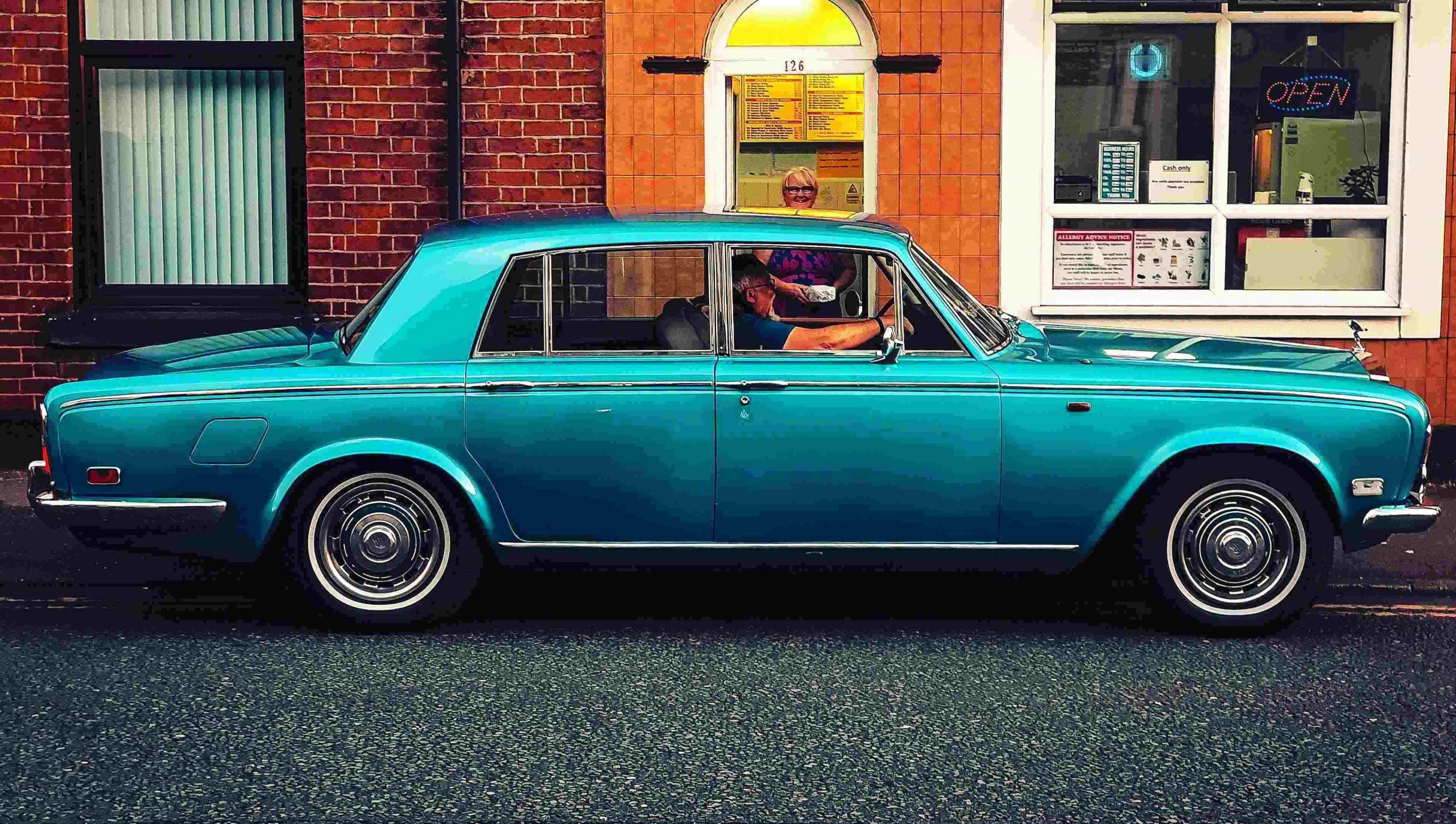
In 1965, the usually conservative Rolls-Royce took a bold step with the Silver Shadow (photo on the left) and the first Corniche series. They acquired licences for height correctors and brake components from Citroën, blending these with their in-house technical improvements, specifically in the hydraulic pump and system layout. While they initially maintained coil springs for suspension, they later embraced Citroën-type rear suspension spheres in the ’80s and ’90s.
Between 1965 and 1972, Mercedes equipped the W109 series, including the legendary 300 SEL 6.3, with self-levelling air suspension. We must also highlight that from 1965 to 1970, the impressive French Berliet Stradair trucks showcased a unique combination of air and torsion bar suspension.
Since the late sixties, the military sector has embraced hydropneumatic suspension in various tanks. This innovation was not merely about providing a smoother ride; it was primarily focused on enhancing dynamic control and securing vital advantages on the battlefield through adjustable ground clearance and tilt.