
Hypcars of the 1980s
During the ’80s, BL was on a roll, continually upgrading their Ambassador and Metro models with an enhanced version of Hydragas suspension. Even Jaguar joined the excitement by introducing a rear self-levelling system known as SLS, which closely resembled Citroën’s setup. Their XJ40 Sovereign model, launched in 1986, showcased this technology, but by 1994, Jaguar decided to phase it out due to reliability issues. In the meantime, Rolls-Royce continued this momentum by employing hydropneumatic suspension spheres at the rear of their opulent Silver Spur and Spirit models.
As the decade progressed, semi-active suspension systems were making their mark. In 1983, Toyota unveiled its electronically controlled Electronic Modulated Suspension (TEMS) shock absorbers in the Soarer, featuring the PEGASUS suspension (Precision-Engineered Geometrically Advanced SUSpension). This system laid the groundwork for further innovations, evolving into Piezo TEMS, Skyhook TEMS, Infinity TEMS, and ultimately AVS (Adaptive Variable Suspension).
In 1985, Lotus sought to push the boundaries with a prototype system that showcased electro-hydraulic active suspension for their Excel model, although this groundbreaking technology never hit the market. This system was also on an experimental Volvo 740 model. By 1987, the bold 4×4 version of the Peugeot 405 included hydropneumatic spheres on the rear axle, borrowed from the Citroën BX.
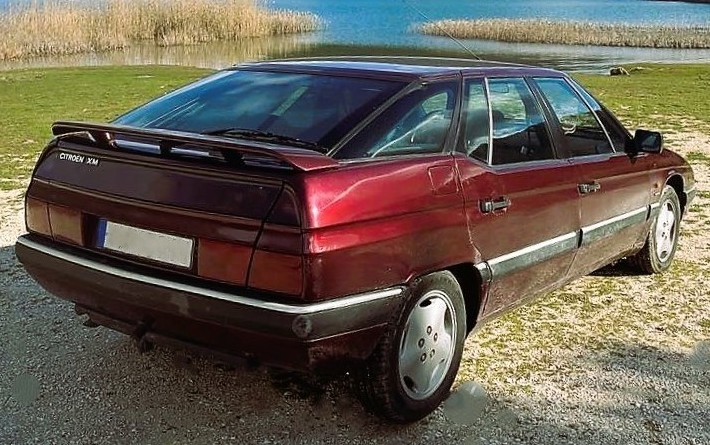
Citroën unveiled its breakthrough only in the last year of the decade. In 1989, the Hydractive suspension was first seen in the XM. This innovative system seamlessly blended hydropneumatics with advanced electronics, enabling the suspension to automatically stiffen during sharp turns, acceleration, or braking. The result was a dramatic reduction in body roll, squat, and dive, transforming every drive into a smooth, exhilarating experience.