
Hypcars of the 1990s
The ’90s were a thrilling era for automotive suspensions, particularly with the rise of active systems, most of which were built upon Paul Magès’ original hydropneumatic suspension. First, Toyota caught everyone’s attention with its Active Control Suspension in the Celica, which was featured on only 300 ST183 models. The second version of this active suspension was a hybrid hydropneumatic system found in the 873 UZZ32 Soarer, produced between 1991 and 1996.
Meanwhile, in a parallel universe, JCB Landpower’s Fastrac high-speed agricultural tractors have been outfitted with hydropneumatic spheres on their rear axles since 1991, with some models even flaunting them on the front! In 1992, the iconic Range Rover debuted electronic air suspension, while Rolls-Royce introduced its Active Ride Suspension on the Silver Spirit II, taking inspiration from the Citroën XM’s Hydractive system. That same year, Richard Hurdwell’s brilliant team at Lotus experimented with the SID suspension (Structure, Isolation and Dynamics Research), harnessing valve-controlled hydraulic actuators managed by a digital processor. Under the guidance of Peter Wright, the Lotus 107 made an impact in Formula One with its single-acting hydraulic actuators and active suspension during the 1992-1993 seasons.
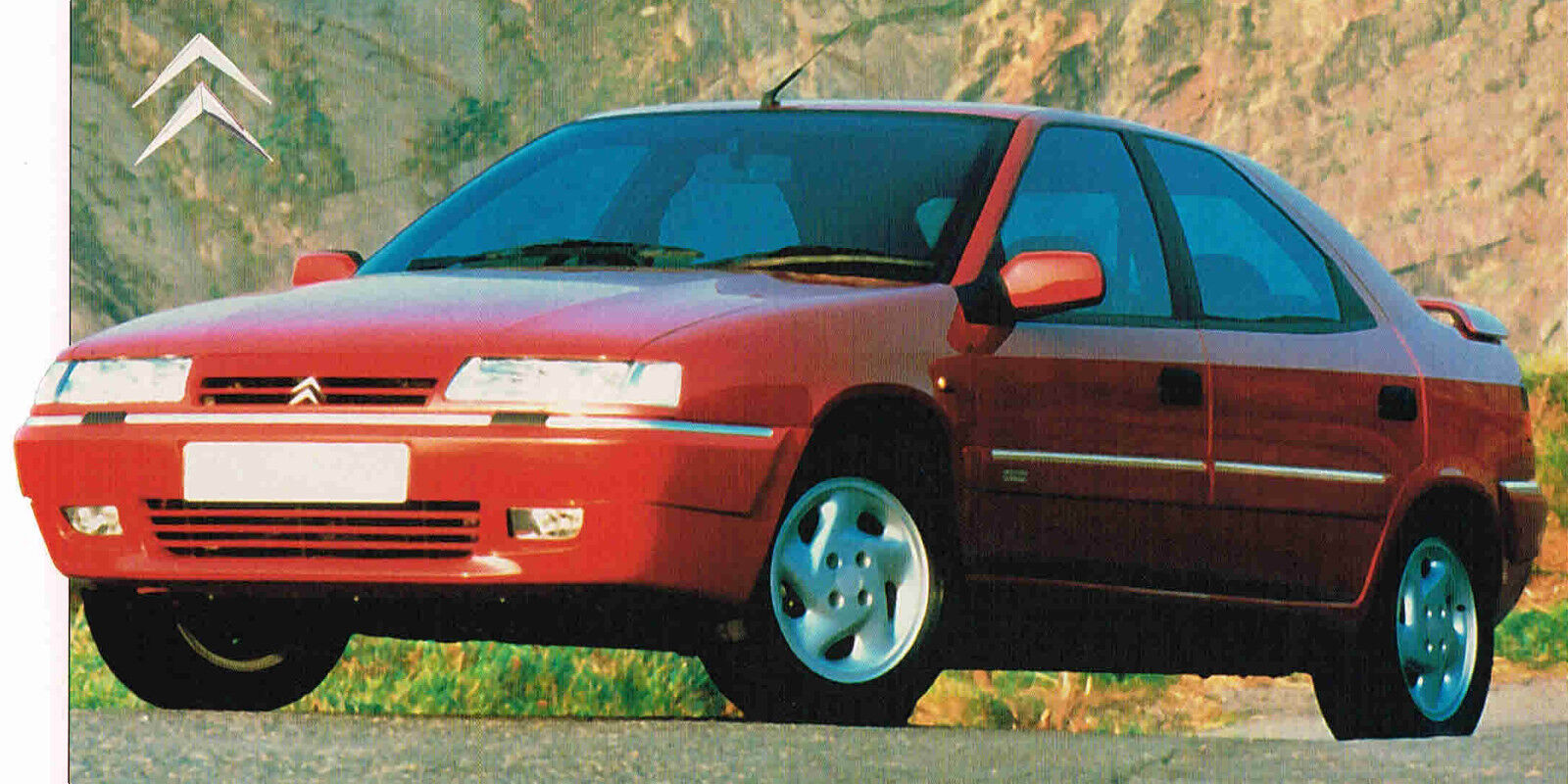
Starting in 1993, Citroën equipped its hypcars with an anti-sink system (SC-MAC) designed to maintain the vehicle at its proper height even when the engine was off. The following year, Citroën again made headlines with the SC.CAR suspension, the first active anti-roll suspension system that debuted in the Xantia ACTIVA (photo on the right), which held the world record for the evasive manoeuvre test, popularly known as the moose test, until recently!
Then, in 1999, Mercedes-Benz introduced its Active Body Control (ABC) hydropneumatic system in the C215 CL-Class, marking a new era of electronic sophistication. In the meantime, BL/Rover equipped both the Rover 100 (1990-1998) and the sporty MG F (1995-2001) with the ultimate version of Hydragas.