
The DS in Brief
It was voted the “Best Car of the 20th Century” and the “Product of the Century,” outshining even the Boeing 747, Apple Macintosh, the transistor, the ballpoint pen, and the lunar landing craft! It has garnered countless design and safety awards and is often dubbed a “legend on wheels,” a “superlative cult object,” a “design icon,” and “the car that reinvented the automobile.” All these accolades are rightfully earned by none other than the Citroën DS, whose name means “goddess” in French and which has appeared in numerous music videos, sci-fi films, including F. Coppola’s latest film, Megalopolis.
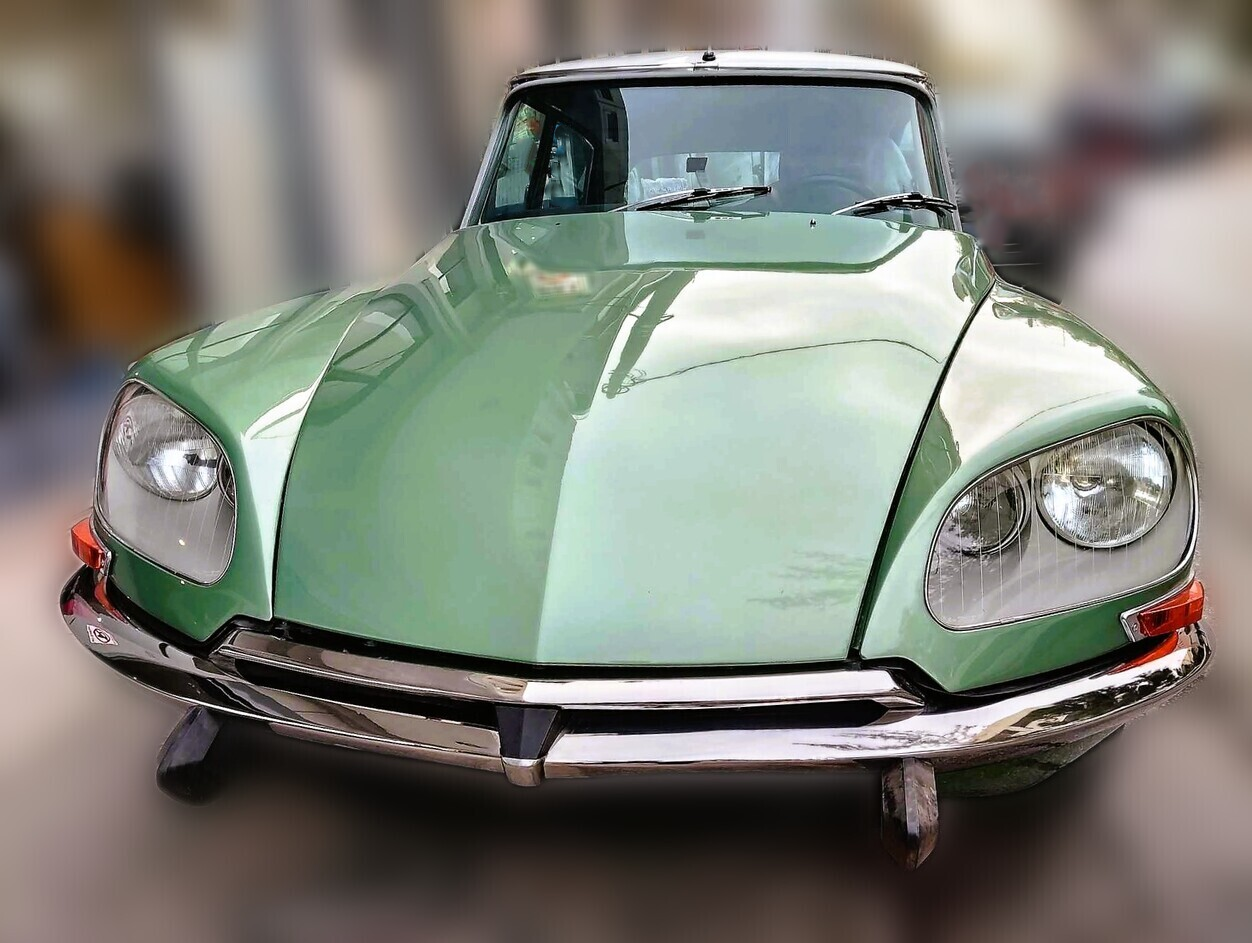
When launched in 1955, the DS was nothing short of revolutionary—a car so innovative that it’s hard to imagine any other vehicle daring to introduce such a plethora of groundbreaking features all at once. Its futuristic, streamlined design made a sensational impact upon its public debut, achieving meteoric sales with 12,000 orders in just 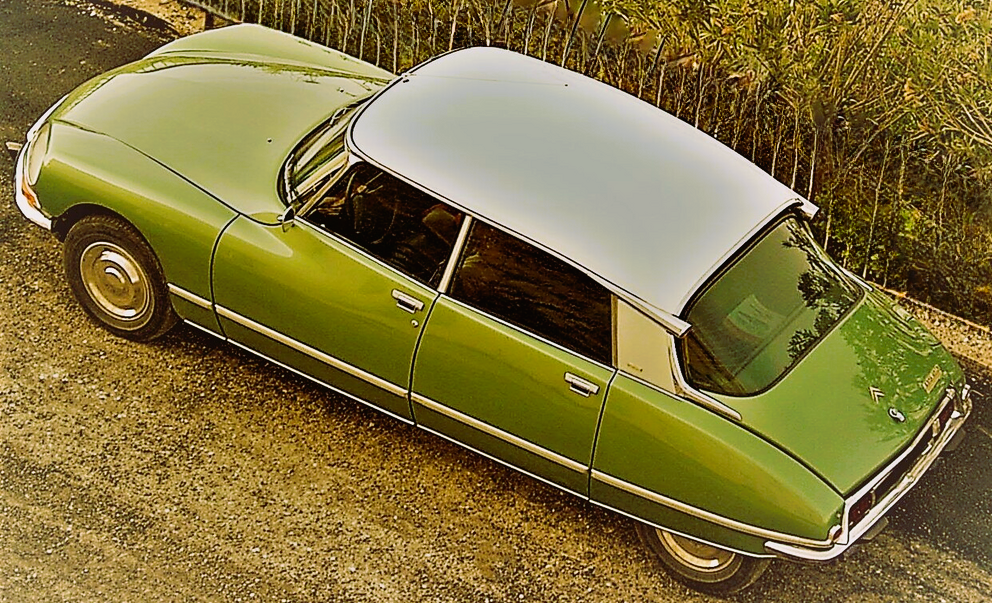 one day—a world record that still stands! The DS was styled in a striking teardrop shape, sleek both in profile and from top view, with integrated bumpers and free from a traditional front grille. Constructed with cutting-edge materials like plastic and aluminium, its front-wheel drive was particularly impressive for the 1950s. Yet, what truly set the DS apart was its integral hydropneumatic suspension, braking, steering, and gearbox system, which redefined what was possible on four wheels!
A vehicle as smart and sophisticated as this could only be the brainchild of a bold and inspired design team, led by aviation engineer André Lefebvre, Italian sculptor Flaminio Bertoni, and hydropneumatics inventor Paul Magès. At  the time, Citroën proclaimed the car to be technologically advanced for its era, but as the years went by, it became clear that the DS was actually a staggering 30 years ahead of its peers! When its successor, the nearly as innovative CX, entered production, many Citroën fans, myself included, felt a sense of disappointment. The DS had introduced a suite of unique innovations—from design and materials to safety, handling, aerodynamics, comfort, and visibility—that no other car could replicate to the same degree of public excitement.
All these remarkable features came at a cost for the first-generation DS models produced between 1955 and 1957. These early beauties faced some teething troubles, including hydraulic leaks and reliance on an inefficient low-pressure pump, all while being sold at premium prices. Fortunately, a saviour arrived in the form of a simplified and budget-friendly ID version (ID means “idea” in French), which brought vital upgrades in terms of the reliability of the original DS’s sophisticated systems. In 1957, the original LHS hydraulic fluid was replaced with the non-corrosive LHS2. By 1960, every DS model had become a dependable marvel; unfortunately, a reputation for fragility had already been established.
Throughout its two-decade production run, the DS consistently outperformed its contemporaries in safety features. Its specifications were comparable to those of modern cars, effectively addressing both active (accident prevention) and passive (minimising the aftermath of accidents) safety measures. Prioritising active safety, the DS excelled in road holding, handling, and braking capabilities, thanks to its ingeniously engineered design, which featured a long wheelbase and a low centre of gravity positioned well behind the front axle.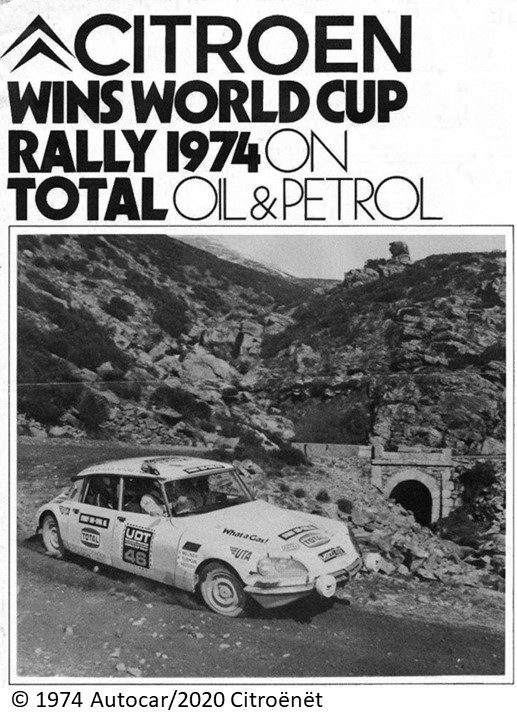
These characteristics contributed to high stability and a low polar moment of inertia, enhancing the vehicle’s ability to change direction with ease. It is no surprise that the DS achieved an impressive rally record without relying on a powerful engine, triumphing in the most challenging competitions against tough opponents like the Renault Alpine and the Porsche 911 (see video below). It secured victories in iconic events such as the Monte Carlo Rally in 1959 and 1966, the Tour de Corse in 1961 and 1963, and the Morocco Rally in 1969 and 1970. And it finished first among only 19 of the 52 cars that completed the London–Sahara–Munich World Cup in 1974 (photo on the right)!
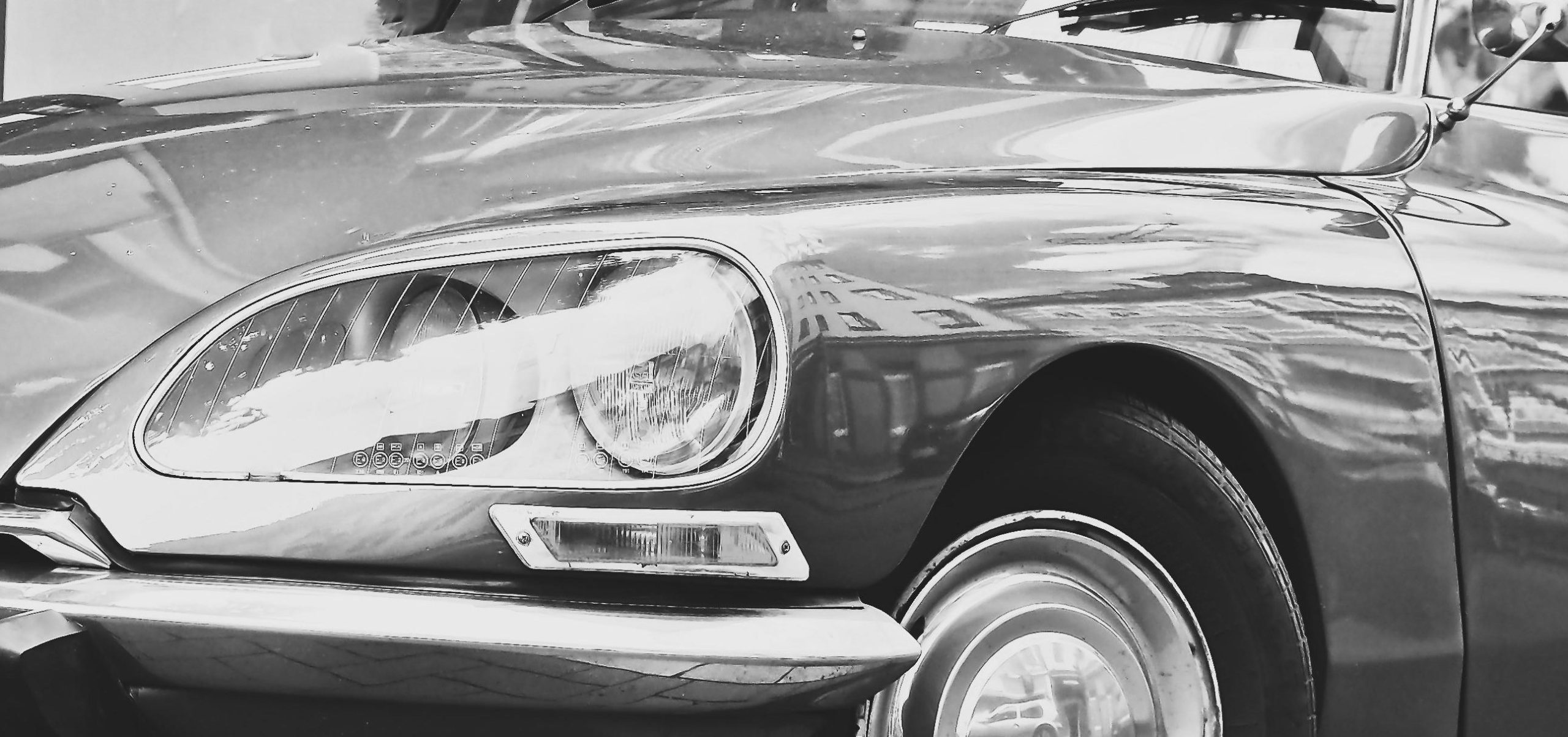
The DS’s dazzling design elements were paired with a complex hydropneumatic “nervous system” that managed the car’s suspension, steering, brakes, and gears. Its brake system featured front discs, the first commercially used disc brakes on a car, mounted inboard next to the transmission to reduce unsprung weight. Additionally, the DS was equipped with notable safety features, including panoramic visibility from its uniquely curved windscreen, ultra-thin pillars, a single-spoke steering wheel that allowed for an unobstructed view of the instrumentation, a button-like brake pedal that minimised response time, and the legendary self-levelling and, later, asymmetrically swivelling headlights.
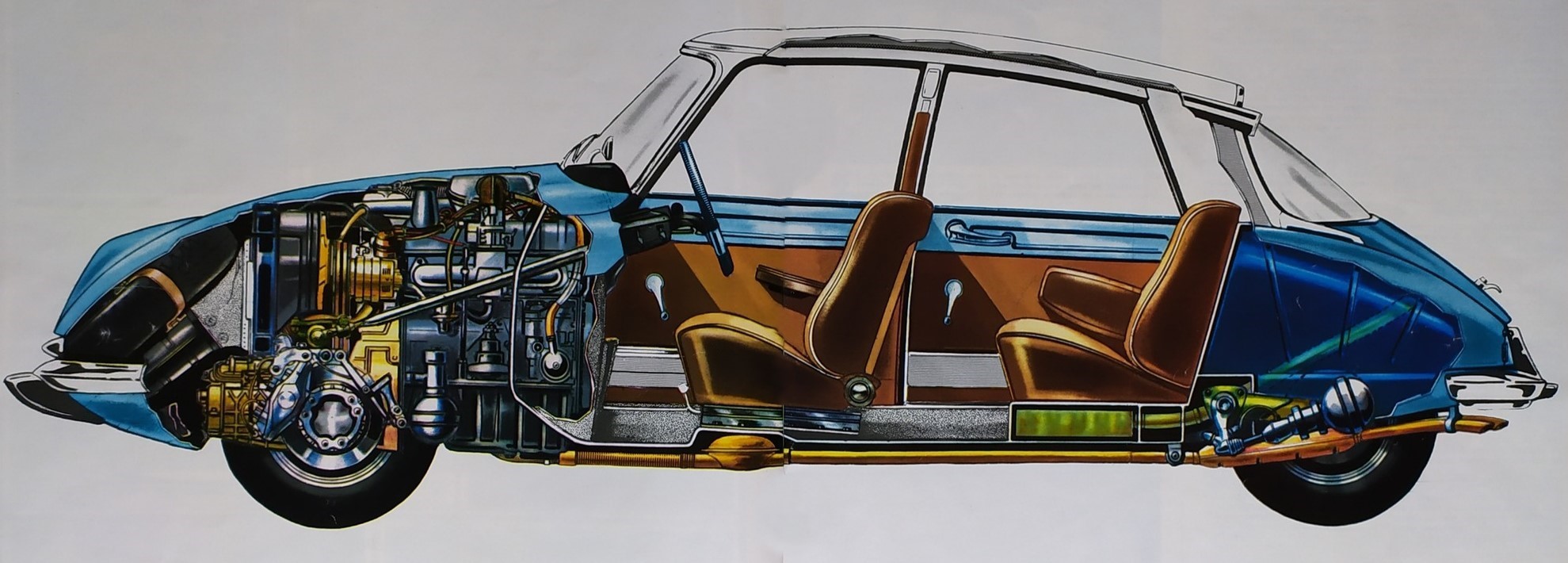
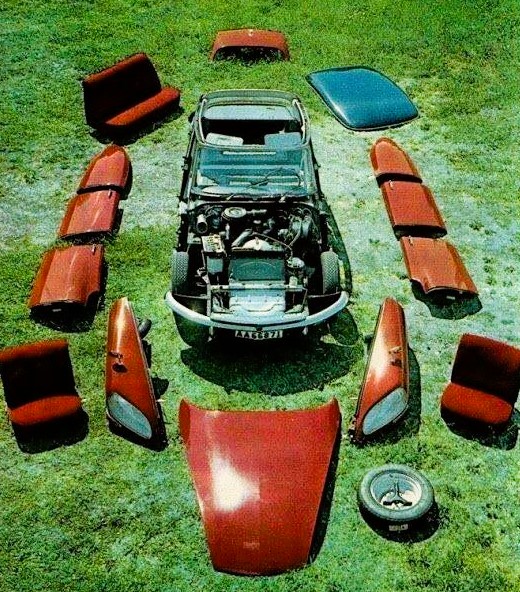
On the passive safety front, the DS employed a platform-body frame instead of a separate chassis, boasting a lightweight yet relatively robust structure with bolted body elements. Crumple zones were designed to absorb energy during crashes and protect passengers. The DS was also the first car to place its fuel tank beneath the rear passenger bench rather than exposing it under the boot, which was the norm at the time. Thanks to these forward-thinking measures, conceived 70 years ago, the DS performed exceptionally well in most accidents, with its bolted bodywork consistently behaving better than its contemporaries.
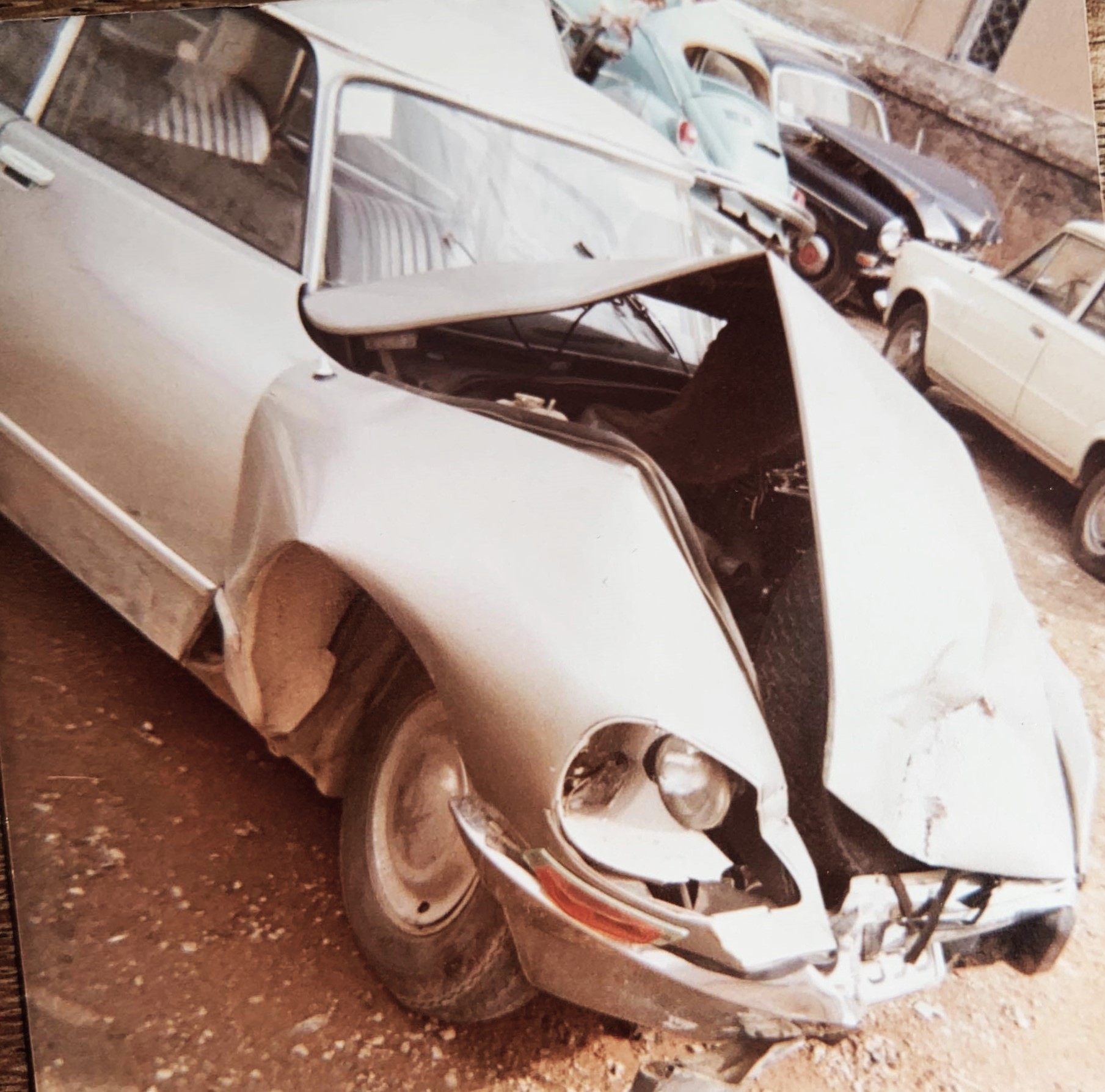
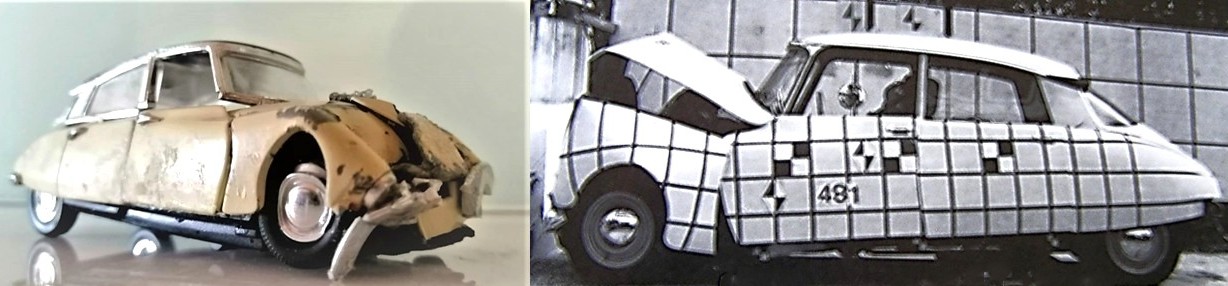
However, it is important to keep in mind that the construction of the DS should not be compared to the heavily structured vehicles of the post-1990 era. The DS prioritised safety while maintaining lightweight agility and optimal all-around visibility, which required the use of slim pillars. Despite ongoing debates about the shock resistance of its bolted body elements, the DS’s protective “survival cage” was successfully crash-tested in the 1960s and 1970s (right photo below). In fact, we even playfully recreated one of those crash tests using a miniature model and were thrilled with the results (left photo below)!
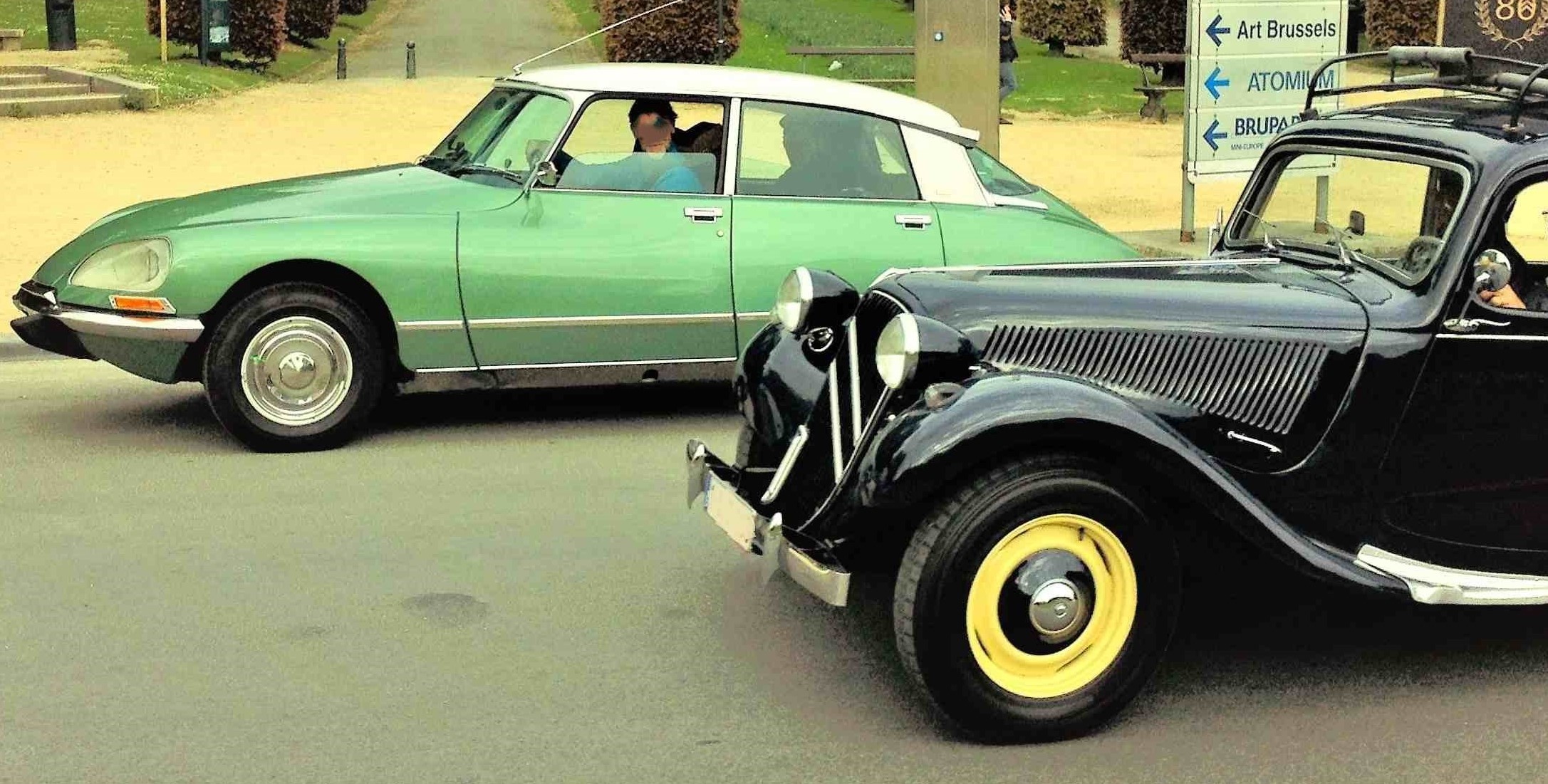
Aerodynamics was another area where the DS excelled, contributing to its safety through stable handling at high speeds. The DS boasted an impressive drag coefficient of under 0.38, considerably lower than other cars of its time, which typically ranged between 0.45 and 0.55. Flaminio Bertoni envisioned a fish-like silhouette by tapering the DS towards the rear from every angle. Notably, he decided to omit the radiator grille altogether. To fully appreciate this groundbreaking advancement in automotive aerodynamics, one need only compare the DS to Citroën’s previous model, the Traction Avant (photo below), which had undergone an aerodynamic study two decades earlier.
In addition to its remarkable technological, ergonomic, and aesthetic innovations, the DS featured a semi-automatic gearbox without a traditional clutch pedal, a foot-operated handbrake, and a spare wheel conveniently located under the bonnet. It also came with frameless windows, the first dashboard indicator for brake pad wear, and a 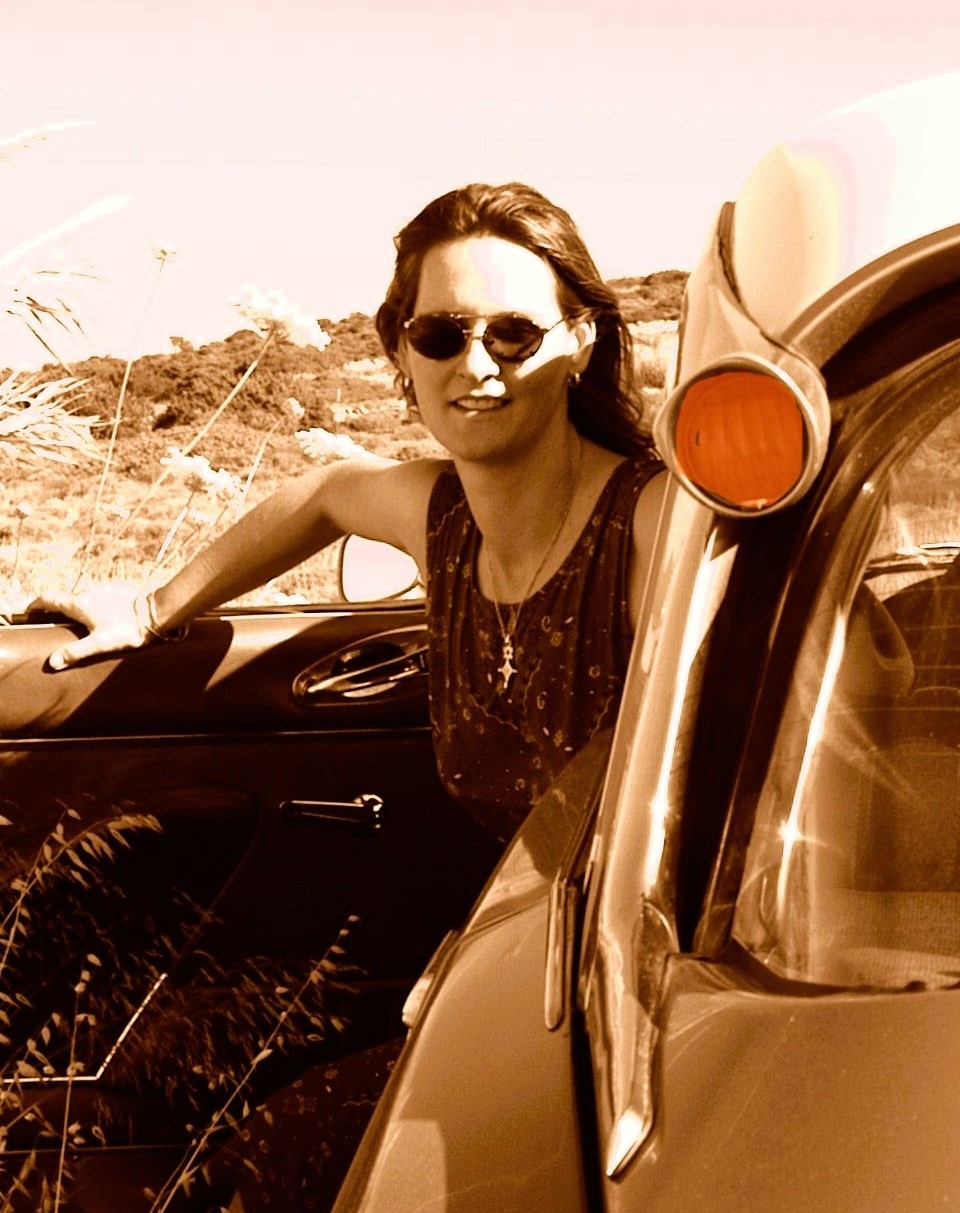 brake pressure distributor that adjusted between the front and rear axles based on load. Some lesser-known yet ingenious details included swivel sun visors for shading the front windows, double-action boot lid springs, and the impressive ability to maintain uninterrupted visibility with both the bonnet and boot lid fully opened!
But the DS’s trademark, distinctive day and night, was its eye-catching, cornet-shaped rear indicators perched on either side of the roof. While some features of the DS, such as its passive safety and floaty suspension, might spark conversation, its aesthetics were non-negotiable. After all, if they were, Christine would never have agreed to pose alongside another goddess!
.
DS Interesting Facts and Figures
-
The DS and its economical sibling, the ID, were produced from 1955 to 1975, with a total output of around 1.5 million units. In 1968, the DS received a facelift and gained its iconic swivelling headlights.
-
Developed by a remarkably innovative team led by André Lefebvre and designed by Flaminio Bertoni, the DS boasted an impressive drag coefficient of 0.38 for a car produced in the 1950s.
-
The engine of the iconic hypcar experienced a thrilling journey of growth, expanding from 1911 cc to 1985 cc, then 2175 cc, and ultimately to a powerful 2347 cc, while its horsepower rocketed from a modest 69 to a significant 130 DIN.
-
From the hypcar collection, our DS stands out as a remarkable family heirloom. Known as the DS 23 EFI BVH Pallas, this model epitomises the ultimate expression of the DS lineage. It boasts a top-of-the-line 2.3-litre electronically fuel-injected engine and a semi-automatic transmission, all wrapped in a luxurious leather interior adorned with chrome trims. Dressed in an elegant silver-green hue (colour code AC527) complemented by a crisp white roof (colour code AC088), this stunning model was produced between 1973 and 1975 in fewer than 1,000 units, making it a true rarity.
-