
A Love Story
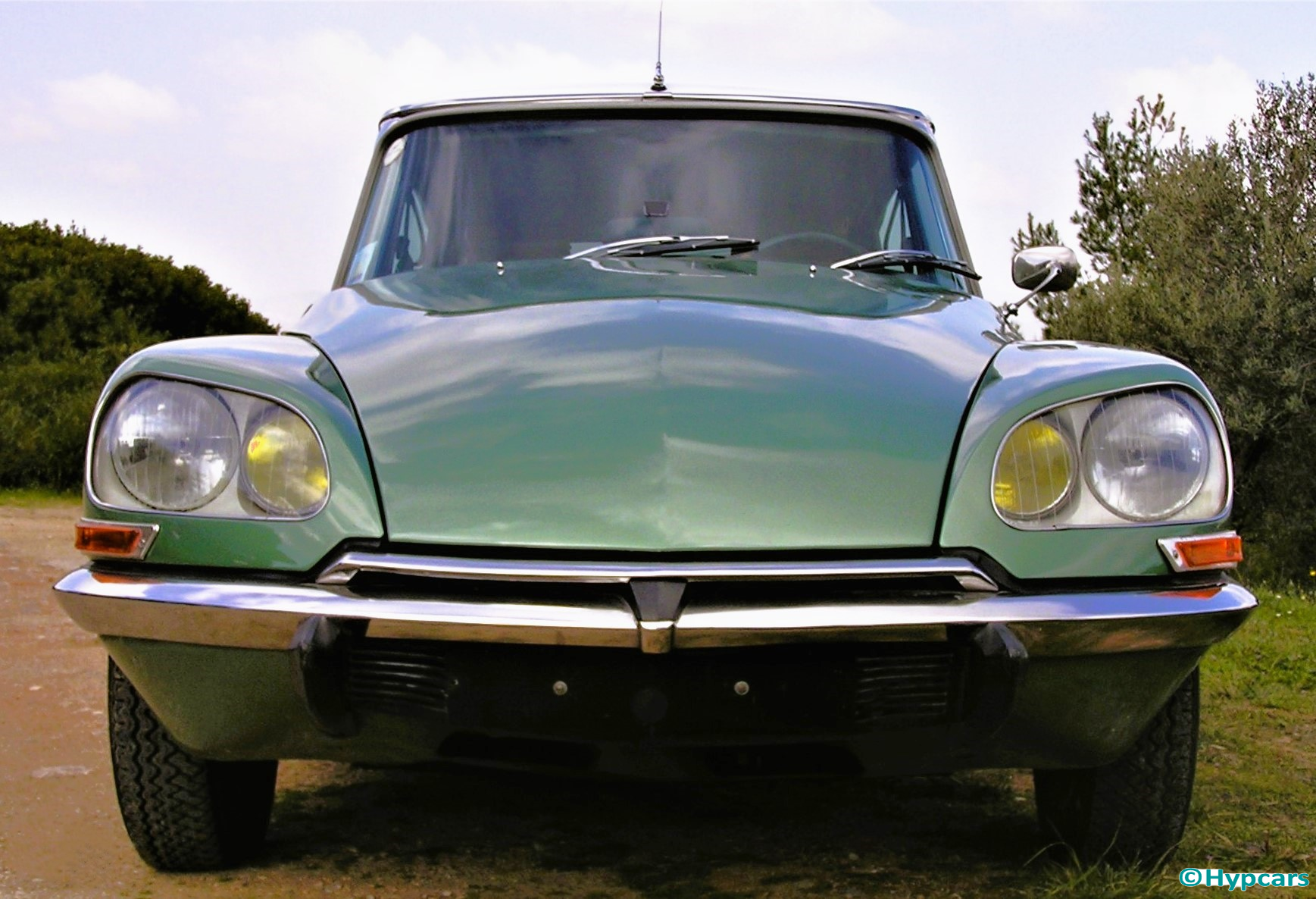
The moment I first laid eyes on a DS, I was captivated by its unique shape. Even after years of imitation, it still commands attention today with its enclosed rear wheels, swivelling high beams that seem to follow you, and asymmetrical tyres. I soon discovered that these XAS/XVS tyres were custom-made by Michelin to align perfectly with the DS’s suspension geometry. Believe it or not, the original DS sported different-sized tyres for the front and rear!
I’ll never forget my initial awe as I watched the front and rear of the DS being raised and lowered by those ingenious hydraulic robots, working their magic to maintain the car’s ground clearance. It was thrilling to see how they could also be manually adjusted for rough terrain or even 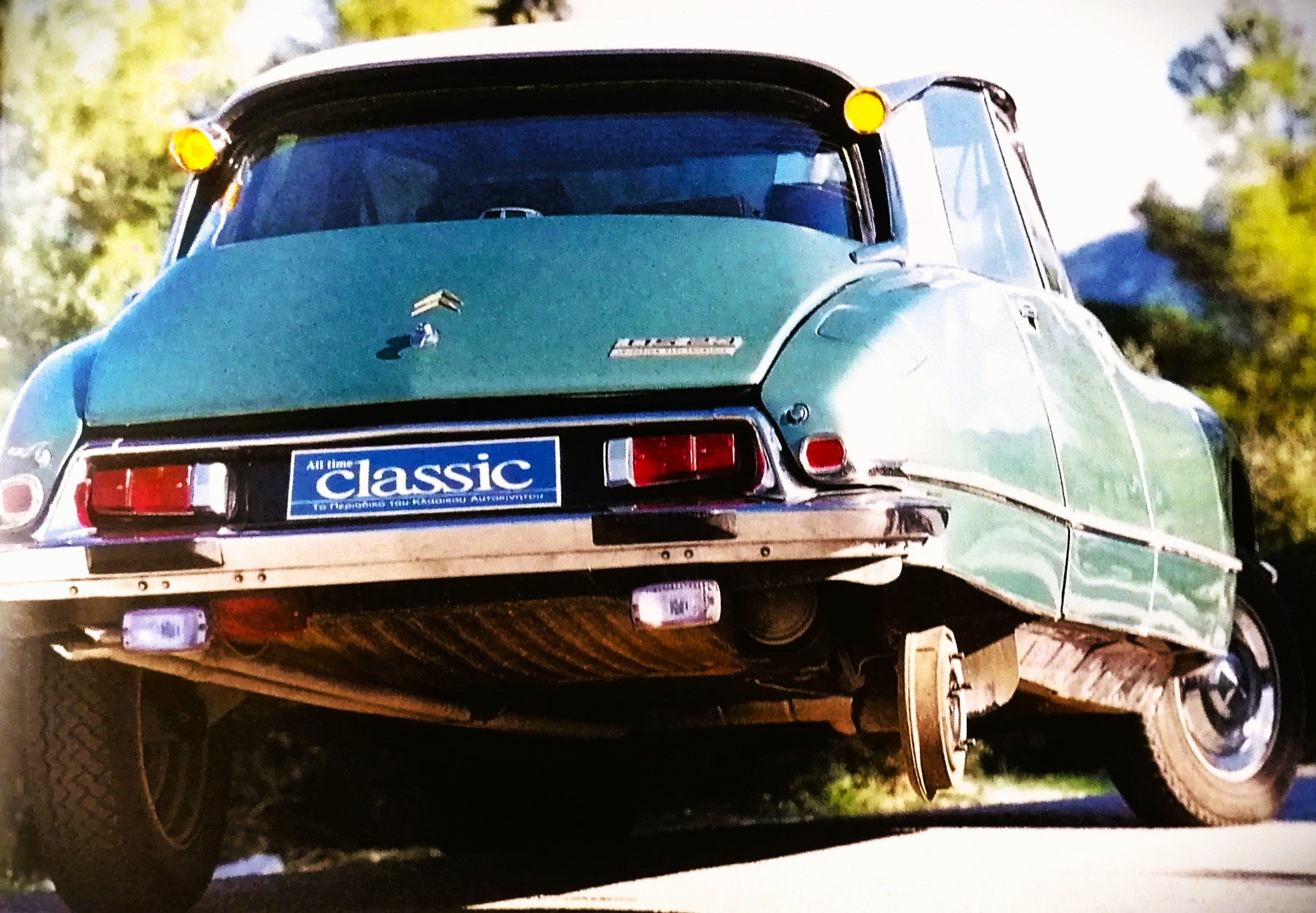 for changing a tyre, all without a jack! Citroën boldly claimed that the DS could be driven safely on just three wheels at any speed. I tested that claim at low speeds, but it became a reality when a cracked rear tyre blew out while I was pushing the limits at around 180 km/h. Let me tell you, the combination of the DS’s impeccable weight distribution, its unique front-wheel geometry with zero-offset steering, and that brilliant hydropneumatic self-adjustment feels like pure magic.

Our first DS, a stunning burgundy-red ID 20 with a silver-grey roof, was purchased second-hand in 1971. My father shared all the car’s features with us, but the way he spoke about adjusting the ground clearance was imbued with a sense of family secrecy, almost as if it were a special trick reserved for extraordinary situations when other cars got stuck!

I was just 11, happily nestled in the back of our Citroën ID, when we suddenly sped through a tight turn on a mountain road. The freshly repaved asphalt was had no warning signs. Before we knew it, the big car lost grip and soared off the cliff, reminiscent of a scene from the iconic French film Fantômas! As the car tumbled, the bolted-on roof popped up, acting like a sled and allowing my 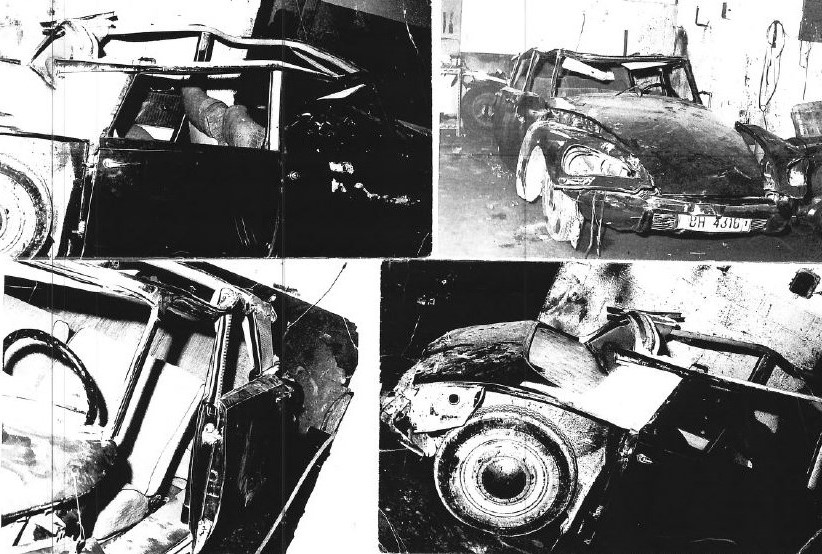 mother and me to slide safely an extra 20 metres down the cliff. Remarkably, my father, who was at the wheel, emerged unscathed. Thanks to the DS’s sturdy safety cell and soft body panels that absorbed the successive impacts, he walked away from the wreckage. Moreover, with the fuel tank cleverly positioned under the rear passenger seat, there was no explosion to worry about. Incredibly, even after the accident, my father managed to get the car moving again for a few metres by revealing the “family secret”—cranking up the hydropneumatic system to its highest setting!

After this serendipitous accident, my father fell head over heels for the DS and decided to make a pilgrimage to Paris later that year (1973) to acquire our next one. Leaving Greece during the military regime of the colonels, my parents faced a lengthy wait for the requested car to complete its pre-sale hydropneumatic tests. By the time they returned, democracy had been restored in the country. They jokingly claimed that a DS (déesse, meaning goddess in French) had brought democracy back! In the photo, my mother beams proudly in front of the brand-new DS as they embark on their journey back to Greece.
Beyond our spectacular rollover experience, every passenger, often including family members, has emerged unscathed from the other DSs shown here over the past 50 years. These concrete examples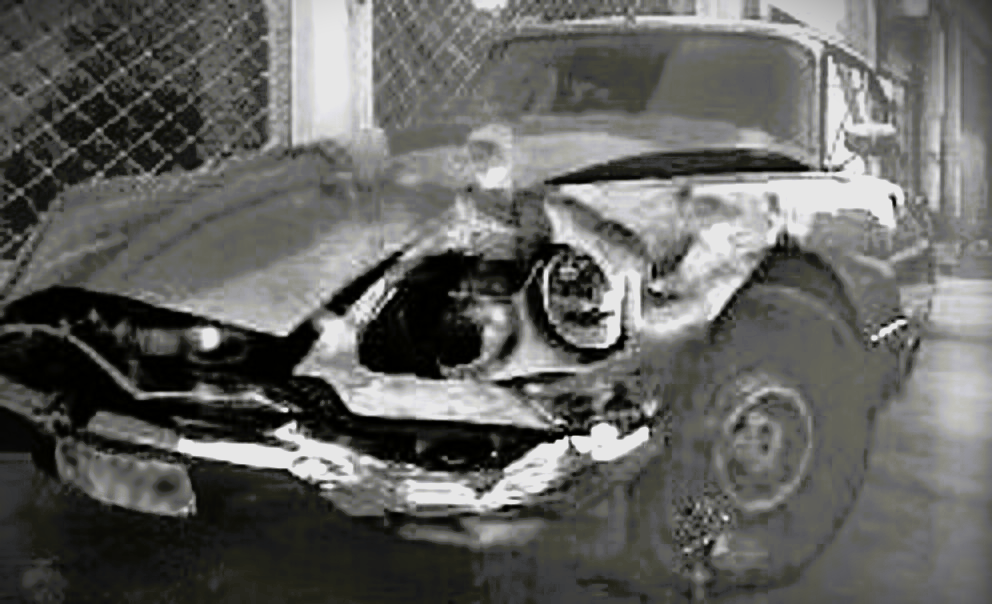 highlight the exceptional
 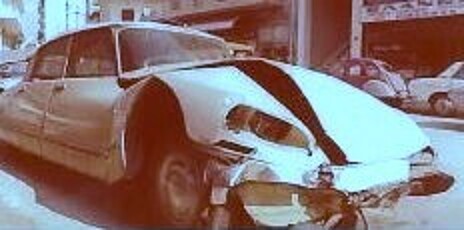 occupant protection offered by the chassis of this iconic hypcar, despite its slender pillars (which enhance visibility) and its lightweight fibreglass roof (which lowers the car’s centre of gravity).