
The GS(A) in Brief

The Citroën GS truly stands out in the automotive world, and for some quite exciting reasons! Firstly, it’s not every day that a brand invests resources into crafting a cutting-edge small car equipped with hydropneumatic suspension, especially when the market is not exactly clamouring for such technology. Secondly, producing and selling such a marvel at a competitive price can significantly squeeze profit margins. Yet, despite its unconventional traits and forward-thinking design, the GS and its sibling, the GSA, are only just starting to receive their moment in the spotlight as underrated collectibles.
When the GS hit the scene, it marked Citroën’s first foray into the mid-range car market, quickly becoming one of their best-selling models. Before the GS, the innovative French brand primarily focused on smaller models like the 2CV and Ami, which came with metallic suspension (unless you count the experimental M35), while also boasting luxurious saloons like the DS, which featured the more expensive hydropneumatic suspension. The DS, with its reputation for cutting-edge design and a market ripe for adventurous moves, paved the way for Citroën’s success, with the GS leading that charge!
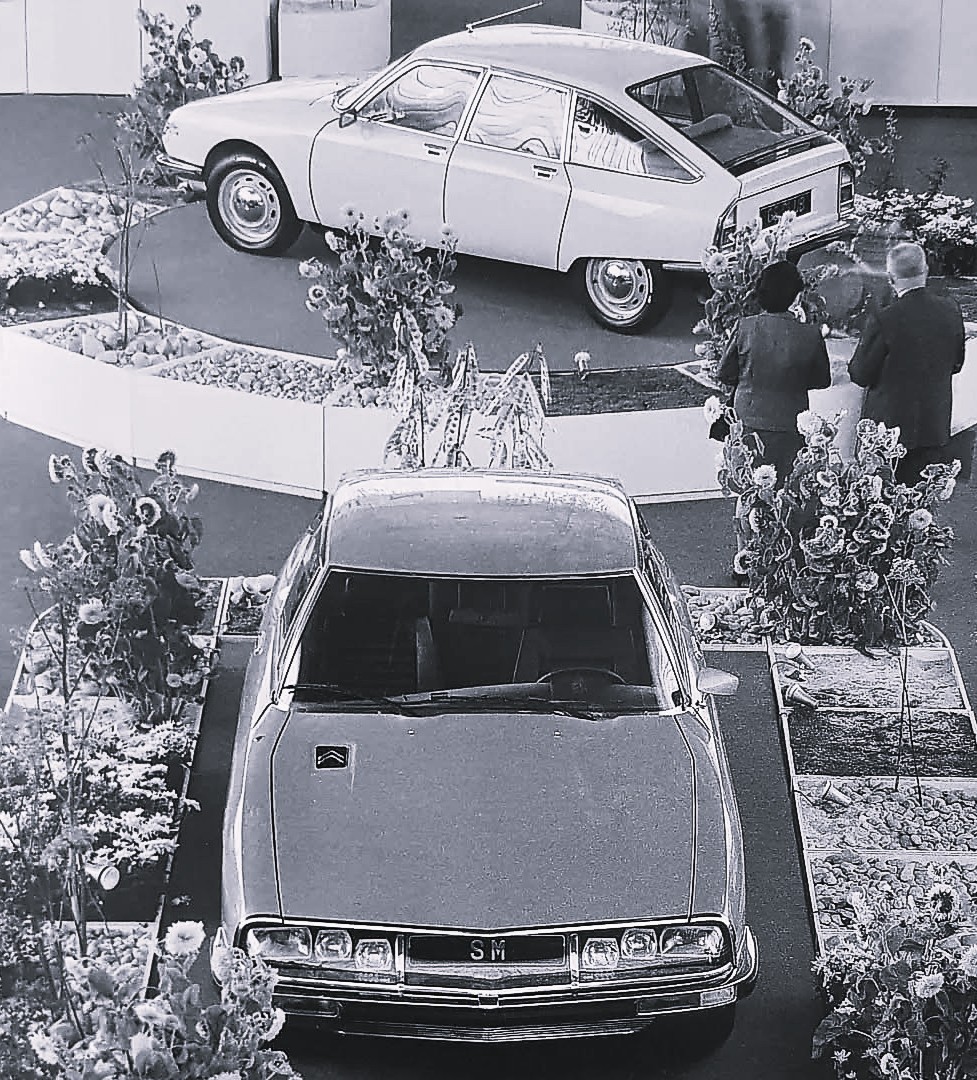
One audacious motor journalist boldly labelled the GS as “the most sophisticated production car of the 20th century.” While I might not go that far, I do recall that the GS, which was coeval with the extraordinary SM (photo on the left), was crowned “European Car of the Year” in 1971, just a year after their simultaneous debut, with the SM trailing in third place! This accolade underscores the GS’s advanced engineering, much of which went unnoticed at the time.
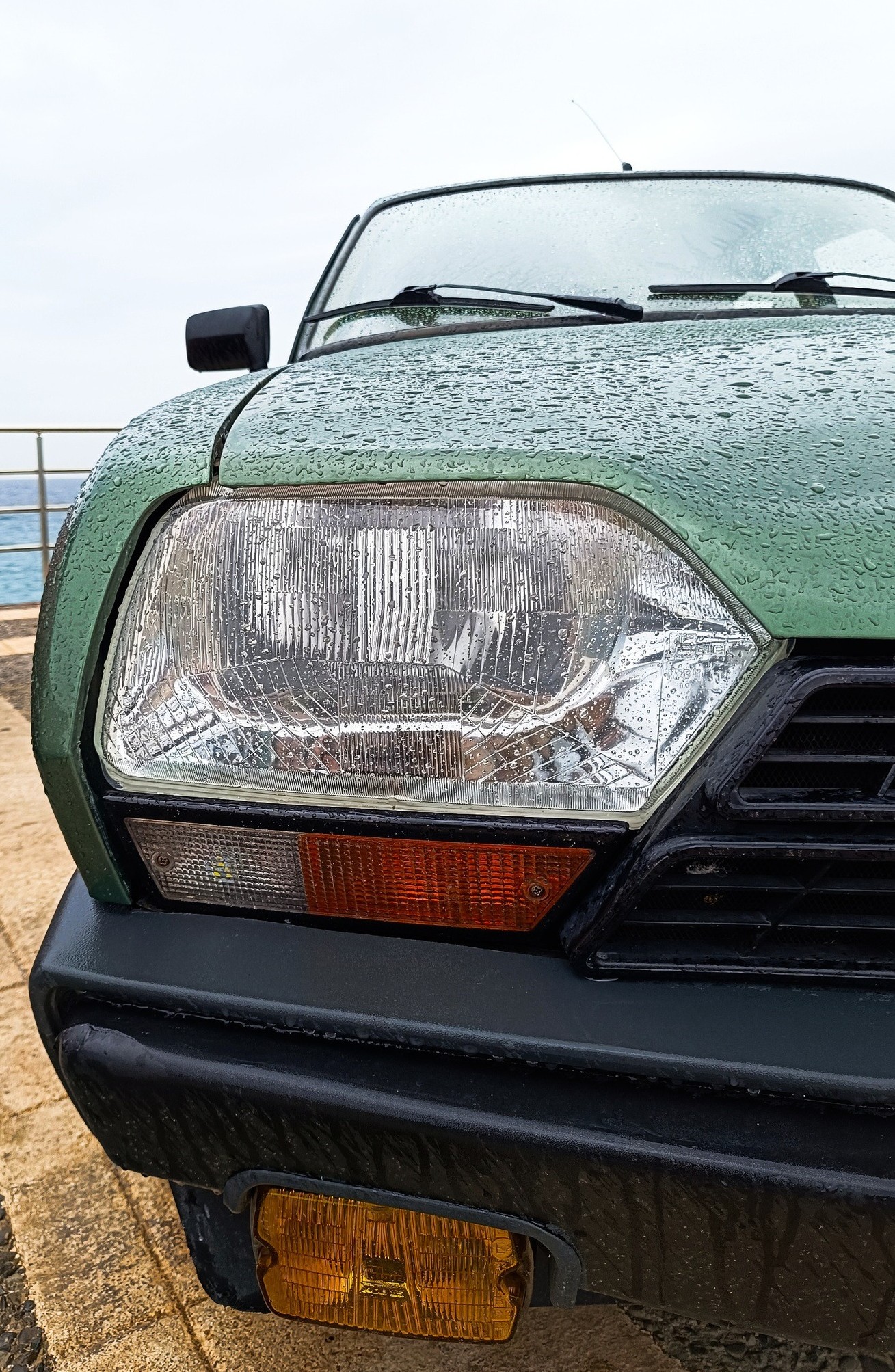
Take its design, for instance: it didn’t receive the acclaim it truly deserved, despite its impressively aerodynamic shape, which achieved a drag coefficient of 0.36 in the early models and an astonishing 0.318 in the later GSA X3 version. This performance set a world record and was unprecedented for a production car in the 1970s, particularly in the small to medium segment, where rivals like the VW Golf typically had a drag coefficient of 0.45. The GS truly raised the bar for efficiency and innovation!
As you would expect, the comfort of this little hypcar was nothing short of extraordinary, thanks to its innovative hydropneumatic suspension. The GS is also remarkably quiet, benefiting from improved insulation materials and a beautifully balanced air-cooled engine. This efficient powerhouse, paired with the car’s sleek aerodynamics, made the GS both economical and fast – a thrilling combination!
The GS also made waves in its category by offering a range of both active and passive safety features well ahead of its time. With a set of four disc brakes—quite rare in the 1970s—a low centre of gravity, superb handling, and true to its Citroën heritage, this small hypcar could even be driven safely on three wheels (watch the following video)!
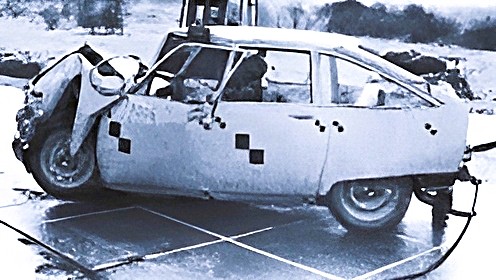
The GS underwent rigorous crash testing to assess the effectiveness of its four progressive crumple zones at the front and three at the rear (see photos below). While it’s tricky to determine just how stringent these tests were back at the time, it is clear that Citroën was a pioneer in prioritising passive safety in small-medium saloons. The crash test results displayed here, as well as this video from the era, show that the small hypcar performed exceptionally well, even by today’s standards!


Overall, the GS/GSA was the smallest Citroën hypcar and, alongside British Leyland’s ADO 14/16 models, the only hypcars in the small to medium car market sector. It was unmatched in its category during its time and still outshines many modern automotive metal and plastic constructions in terms of quality. It stands as a remarkable example of the seamless blend of design, technology, and efficiency. Even today, it remains well-suited for everyday use.
.

GS/GSA Interesting Facts and Figures
-
The GS/GSA was, and still is, the smallest hydropneumatic car ever produced, manufactured from 1970 to 1986 across two series. The GSA, which debuted in 1979, introduced significant updates compared to the original GS, including a fifth hatchback door and a shift from chrome to plastic bumpers.
-
Designed by the talented Robert Opron, the GS boasted impressive aerodynamics, with a drag coefficient ranging from 0.36 down to 0.32, depending on the version. The GSA X3, in particular, proudly claims the lowest drag area of all hypcars (CxA = 0.576 m²).
-
The GS/GSA came with four different engines (1015 cc, 1129 cc, 1222 cc, and 1299 cc), yielding horsepower that varied from 55 to 65 DIN. For a brief period between 1973 and 1975, a 1990 cc Wankel engine was offered, powering the coveted GZ Birotor with an impressive 107 DIN.
-
In total, around 2.5 million GS and GSA models were produced, with a quarter of them being GSA versions. These production figures make the GS/GSA the best-selling hypcar of all time! Yet, it’s surprising to note that their survival rate today is quite low, considering the vast numbers originally produced. Featured in our collection is a stunning 1984 GSA X3, dressed in a vert chartreuse shade (colour code ERC/AC544).