
Looking After the GSA

The GSA is a highly reliable and easily serviced hypcar, but there’s a twist when it comes to sourcing body and interior parts. With so few GS/GSA models still cruising the roads, hunting down even second-hand or refurbished parts can be quite an adventure. Additionally, the interior trim covering the pillars and roof is fragile wasn’t exactly built to last. Over time, this material tends to harden and develop cracks in various spots around the cabin. While you can still find mechanical parts and some second-hand body components online, if you’re lucky enough to stumble upon spare parts in decent condition, be sure to grab them and store them as backups—trust us, we did!
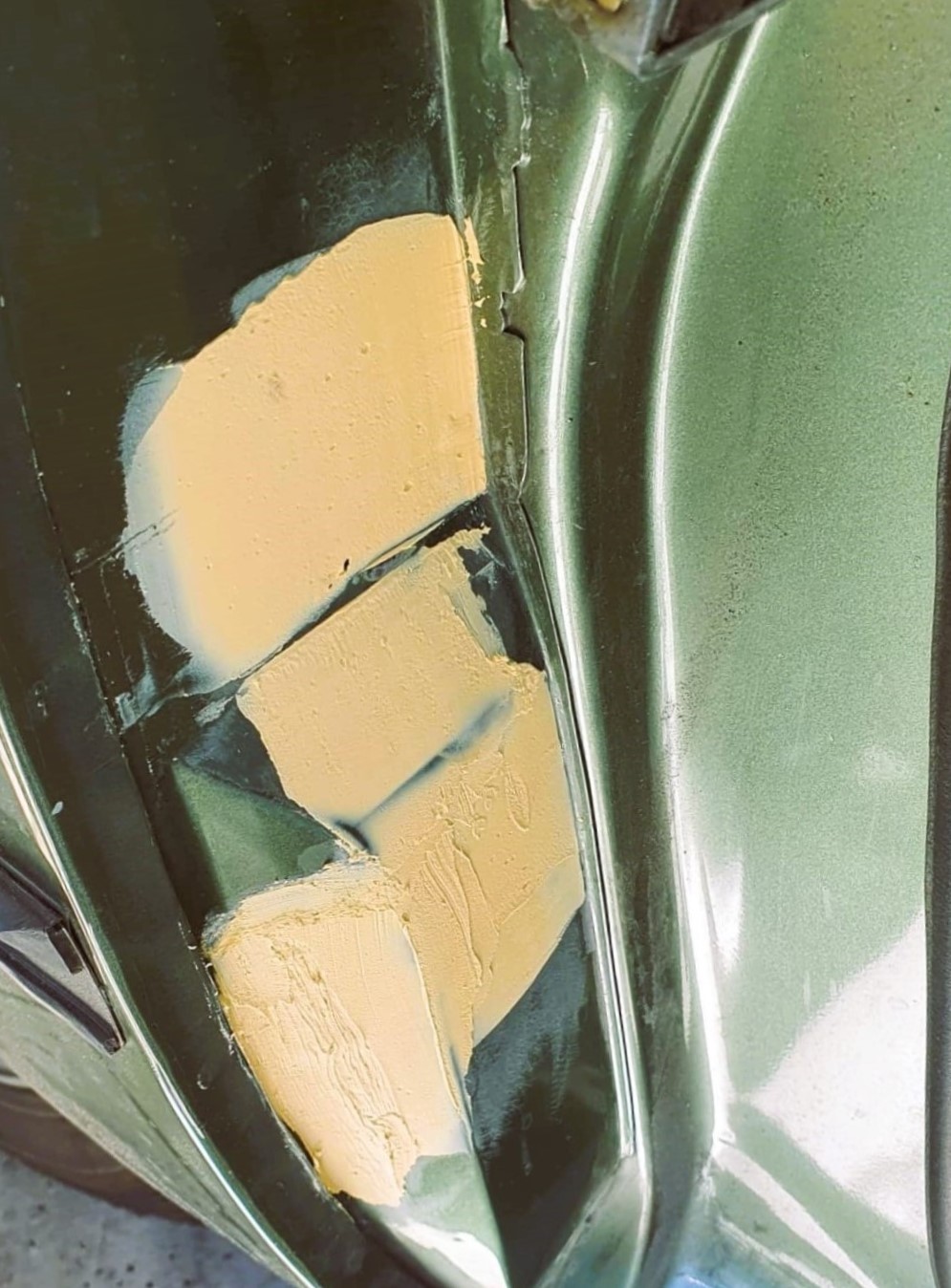
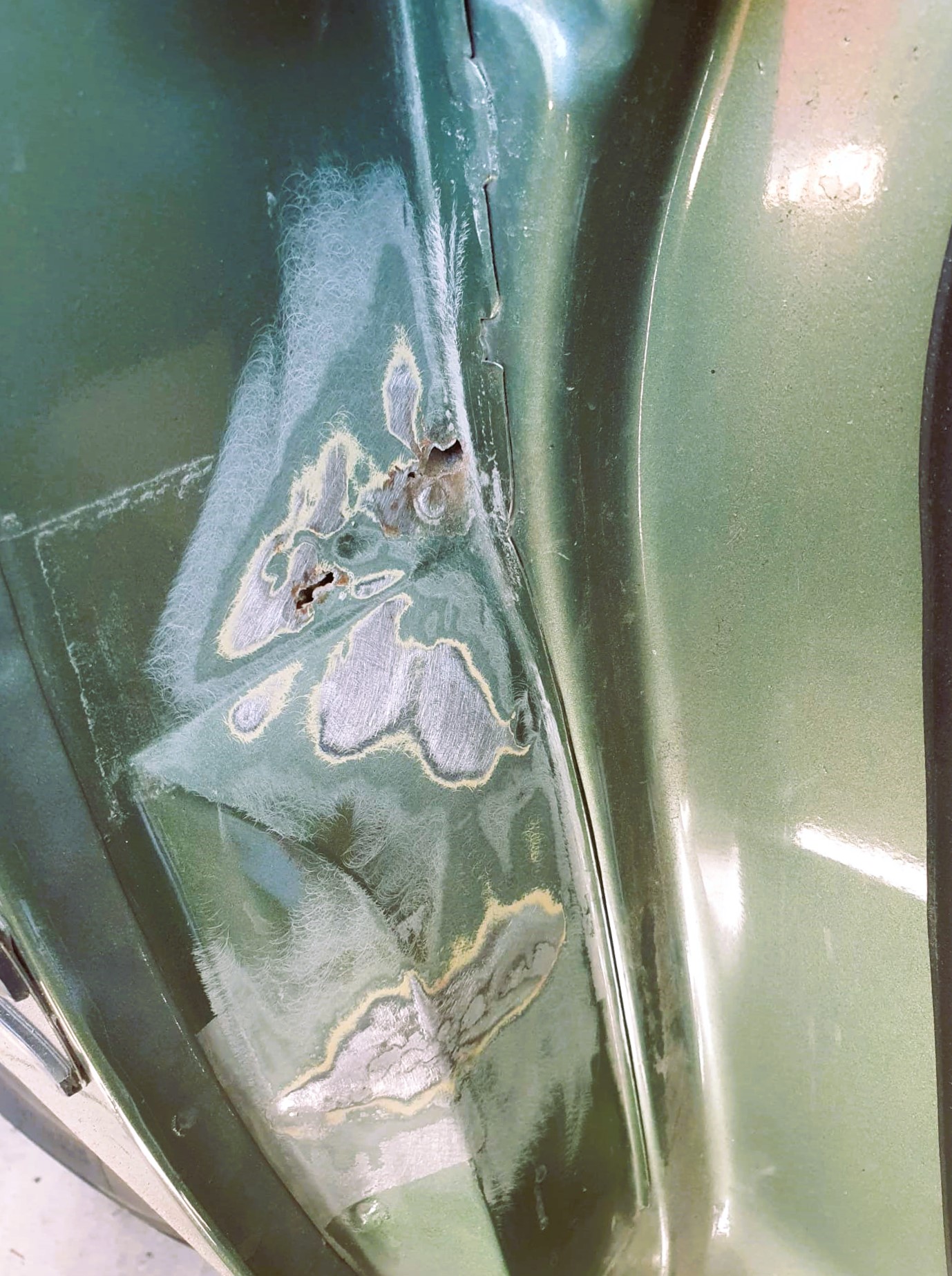
Corrosion is a notable concern for the GS/GSA, affecting various body components such as the floors, boot, wings, sills, and doors. Some savvy owners have addressed this by applying anti-rust products to their vehicles—like the GSA X3 featured here—but we still found ourselves dealing with blistering and chipping in areas near the rear doors and C-pillars.
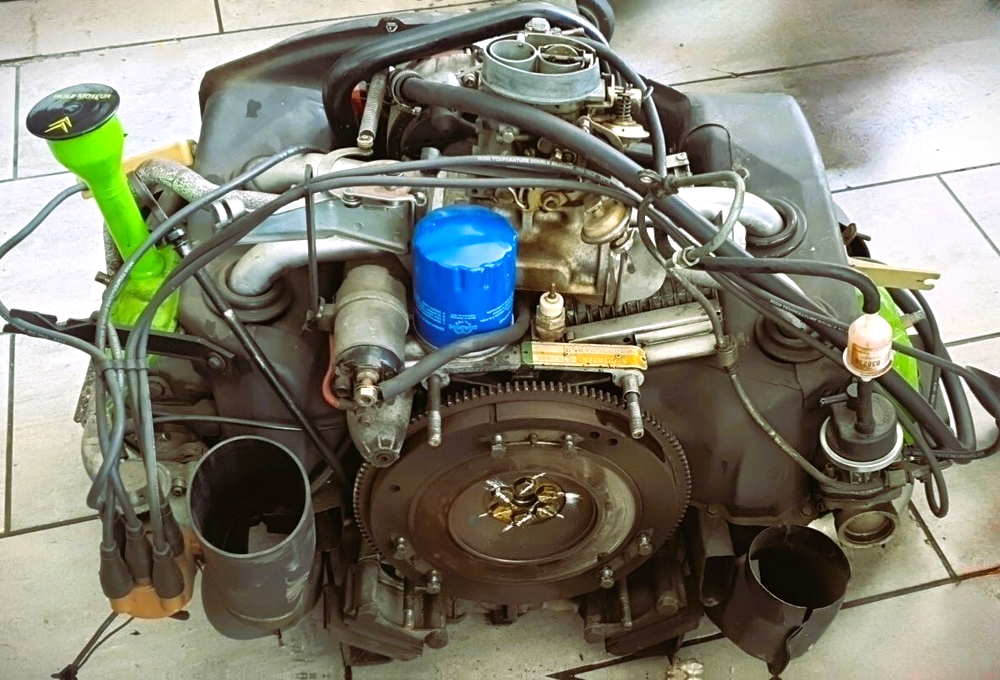
On the bright side, GS engines and their mechanical components are typically quite durable, especially when regularly maintained. The smart air-cooling design enhances engine reliability, but there are a couple of things to keep in mind. It’s not unusual for these engines to develop oil leaks or burn oil, particularly around the oil drain plug seals. And if you’re dealing with the smaller 1,015cc engine from the first generation, it has a reputation for having fragile camshafts. But don’t fret—any such issues can be resolved with an engine overhaul, even if that’s often easier said than done!
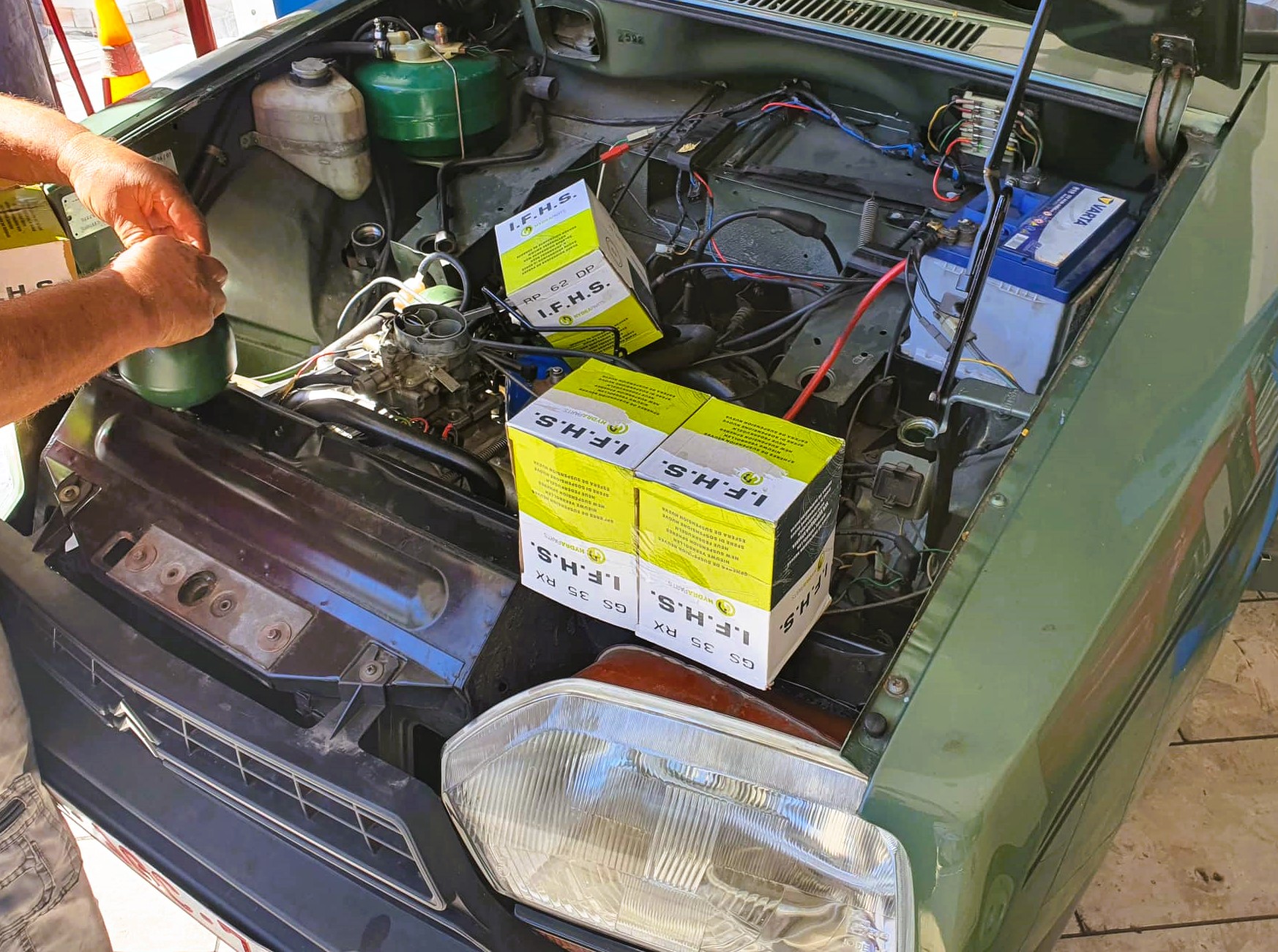
The GSA’s hydraulic system is refreshingly straightforward, as it does not require any hydraulic servicing on the steering or gearbox. However, do not overlook those hydropneumatic spheres and the brake accumulator! They should be checked every four years and potentially replaced, along with a refresh of the LHM fluid and a filter clean. Keep an eye on the main hydraulic hoses too, especially the robust pipe linking the accumulator to the LHM tank. If you spot a negative camber angle in the rear wheels, it’s a tell-tale sign that the rear arm bearings might be on their last legs. And remember, as with any classic car, always remain vigilant about the fuel hoses! One last practical tip: when you’re at the pump, make sure to avoid hooking or snagging the fuel nozzle! The filler neck in the boot is a bit delicate and prone to cracking.
For more tips on buying and maintaining a GS/GSA, check out club and enthusiast websites or consider joining a club. Just a heads-up: not all resources may be available in English. Here are a few examples:
Mattijs Kemmink GS and GSA website
A true guru in GS/GSA restoration whom we highly recommend is Markus La Tendress at RetroGarage in Aachen, Germany!
Key Data for Routine Maintenance of Your GSA X3
- Fuel tank: 43 litres (petrol).
- Engine lubricant: 4 litres mineral oil 15W40 (20W50), 3.5 litres without filter.
- Transmission lubricant: 1.6 litres gearbox oil SAE90 or 80W90.
- Hydraulic circuit: 2.9 litres LHM fluid.
- Engine coolant: 0 litres (yes, really! 😂).
- Spark plugs: MARCHAL 34.2 H / BOSCH W200 T30 or W6D / AC 41.4 XLS / CHAMPION N7Y / EYQUEM 800LS / MARELLI CW78LP (gap: 0.65-0.75 mm).
- Battery: 225/45 Ah.
- Tyres: Michelin 145 SR 15 XZX. Recommended pressure (front/rear): 26/28 psi.
- Suspension sphere pressure (front/rear): 55/35 bars (welded spheres).
Low-Mileage Operating Intervals
- Yearly (max. 7,500 km): change the oil, lubricate doors, bonnet, boot lid, handbrake.
- Every 2 years (max. 15,000 km): yearly maintenance + change oil filter. Check, adjust, or replace: spark plugs, alternator drive belt.
- Every 4 years: 2-year maintenance + renew gearbox oil (max. 22,000 km), replace air filter (max. 30,000 km), replace LHM and clean its filter (max. 45,000 km), replace fuel filter (max. 30,000 km), grease clutch mechanism, blow-clean oil cooler. Check, adjust, or replace: 5 hydropneumatic spheres, parking brake, brake pads, hydraulic hose connections, ground clearance, front wheel alignment, tyre balancing.
- Every 10 years (or when reaching the specified km): 2-year maintenance + replace the 2 timing chains and tensioners (max. 60,000 km), check valve/tappet clearance (max. 20,000 km), lubricate height correctors, check front suspension, steering components, and rear arms.