
Driving Experiences
 As one approaches the CX Prestige, its impressive length and overall resemblance to the SM become evident. The shape is distinctly aerodynamic, with an unapologetically Citroën design. Like the SM, it not only followed but surpassed the aerodynamic principles of the DS, enhancing its sleek lines with modern updates. Additionally, the CX exudes elegance through its balanced and proportionate volumes. A notable feature of the CX is its quirky concave rear window, which was replicated 30 years later in the C6. This rear window not only serves a self-cleaning function but also acts as a spoiler, creating an anti-lift effect that complements the standard rear spoiler found in the high-end models.
Inside the engine compartment, the forward placement of the engine is immediately apparent. The clever transverse positioning allows for a spare wheel, similar to that of the DS, freeing up valuable boot space — quite a contrast to that of the SM.

The interior of the CX, particularly the dashboard, underwent significant transformations throughout its production run, yet it never lost its delightful quirkiness, highlighted by the half-moon arrangement of gauges and switches, affectionately known as “la lunule” in French. I must say, those intriguing rocker switches surrounding the single-spoke steering wheel are ergonomically fantastic! My only minor quibble is that the steering wheel is not adjustable; however, the multitude of adjustments available for the driver’s seat satisfactorily compensates for this.
When you take the CX for a spin, the first thing you’ll notice is its legendary Diravi steering, borrowed from the SM, though it’s now slightly less direct (2.5 turns versus 2 turns end to end of the SM). It is worth mentioning that this type of steering is only found in the larger CX models, not across the entire range. Once you get used to it, the Diravi steering actually boosts safety by correcting mistakes while still keeping you in touch with the road’s feedback. Coupled with the CX’s sturdier structure and firmer suspension, this steering provides a driving experience that feels more connected to the road compared to the DS, resulting in an overall highly reassuring behaviour.
The engine retains the DS configuration but adds a measure of serenity, operating much more quietly thanks to the transverse layout and upgraded insulation materials. Braking is ultra-direct, reminiscent of the DS, although the mushroom button has been replaced with a conventional pedal. You’ll appreciate the anti-dive effect during hard braking, achieved through a different front suspension geometry compared to the DS—a standout innovation for the 1970s, although it had already appeared in the earlier GS. Let’s not forget the effective sound and vibration damping provided by the bodyshell, mounted on 16 flexible silent blocks within the pseudo-chassis underframe, resulting in a ride as refined as that of a modern car.

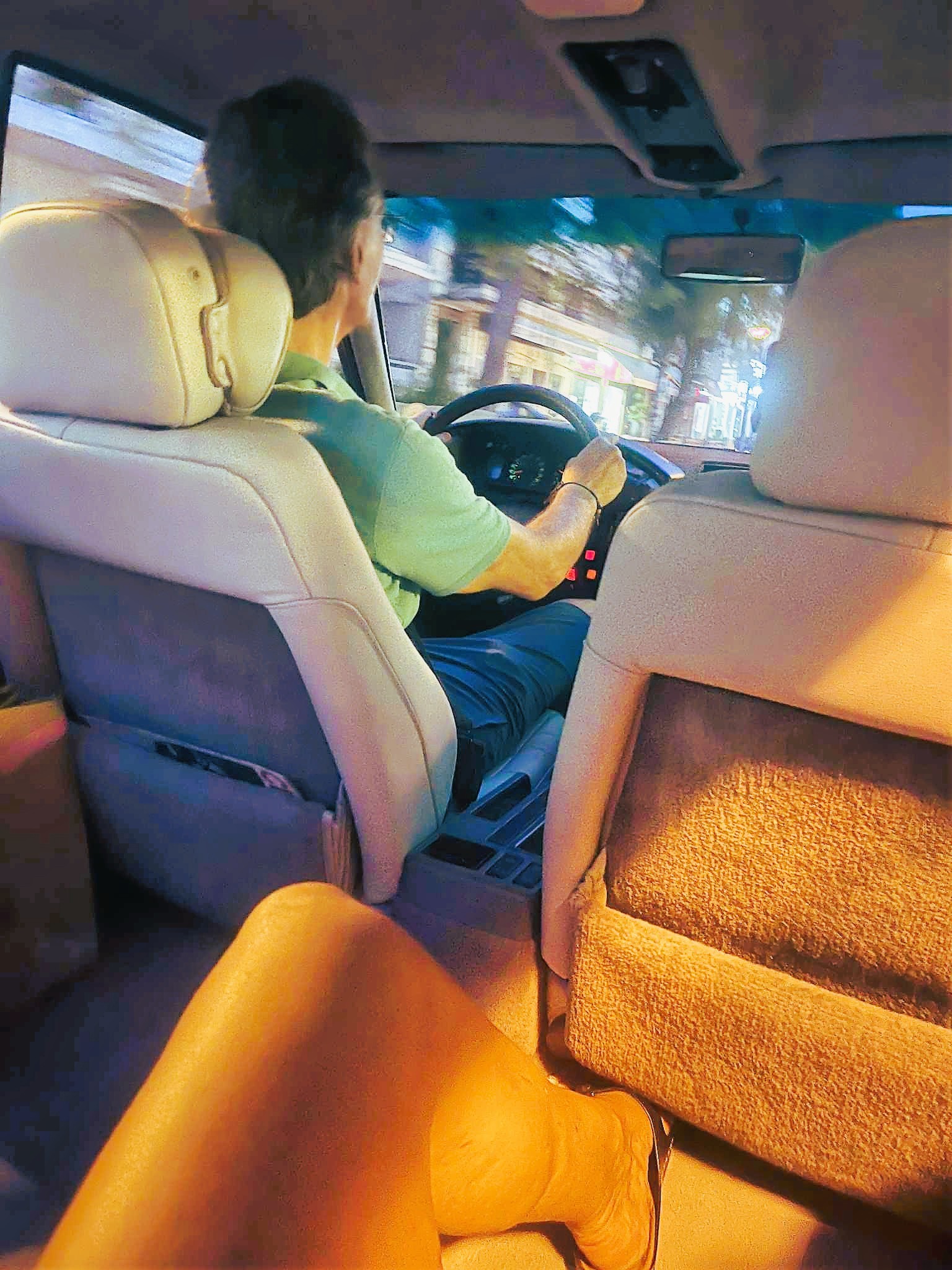
When it comes to suspension comfort, the CX closely follows the DS, thanks to its sportily tuned hydropneumatic spheres. However, the CX excels at absorbing pesky road imperfections, especially potholes, offering a level of comfort that rivals—and perhaps even surpasses—that of the DS. Passenger comfort is influenced by various factors, including sound insulation, mechanical and aerodynamic noise, and seat design, all of which have seen significant upgrades in the CX. The seats are now snug and supportive, while in the Prestige model, the rear passenger space is simply cavernous!
Overall, whether behind the wheel or enjoying a ride as a passenger, the CX delivers a luxurious experience that captures the timeless elegance of the DS and the sporty indulgence of the SM, while remaining practical for everyday use.
