A Complicated Tale!
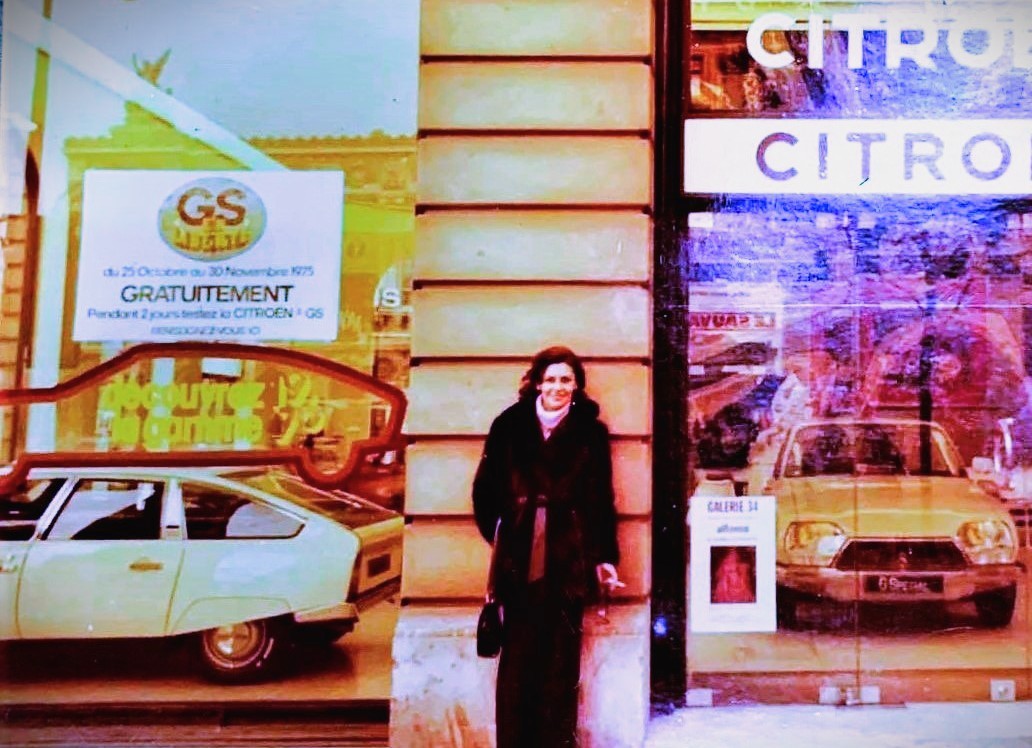
When I first saw the Citroën model that succeeded the DS in a series of photographs my father took in Paris in 1975, showing my mother posing between a CX and a GS, I felt a profound disappointment. Like many devoted DS fans, I was let down by Citroën’s “bureau d’études.” The new model bore no resemblance to the DS’s curvy design, lacked steerable headlights, and didn’t even offer any flying or submarine capabilities!
Back then, I had no clue about the real reasons behind Citroën’s more pragmatic approach to the CX compared to the DS and SM. By the early 1970s, they were already walking a tightrope—investing in extravagant Wankel engines, dreaming up ambitious new iterations of the SM, and ensuring that the high-end DS continued to be produced alongside the CX. Moreover, their merger with Peugeot was already in the works. Nowadays, I not only admire the CX but also revel in the multitude of clever improvements it introduced over the DS. It holds a special place in my heart as the last genuine Citroën before the reins were handed over to the PSA Group.

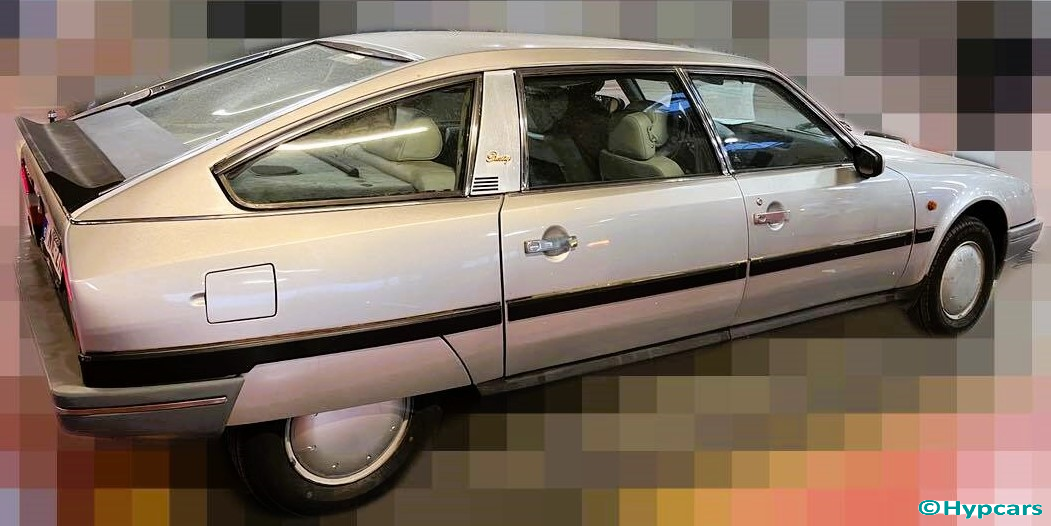
My first real encounter with a CX came in the late ’80s when my father bought a second-hand Series I 2.4-litre model, which he then converted to a Series II to replace the DS that was being passed down to me. Later, as I embarked on my own journey to find a Prestige long-wheelbase model, I couldn’t resist the allure of the second series of the CX, and I eventually came across a stunning 2.5-litre naturally aspirated engine that produced a respectable 138 DIN horsepower. This beauty had clocked around 200,000 km and had been imported to Belgium from Japan, with its first registration dated 1996, despite the model’s production ending in 1991!
The mystery soon unravelled when I obtained a “birth certificate” from Peugeot-Citroën, which confirmed that this car had actually rolled off the production line in 1988, just before the XM made its big debut. It had initially been exported to the Netherlands and later sent to Japan, where the 1996 import date was marked as its first registration year.
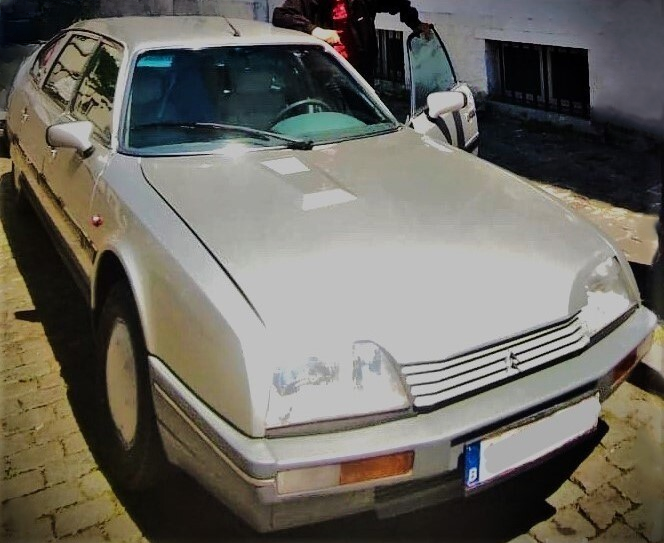
While our car certainly needed serious refurbishment, we were thrilled to discover that there was no structural damage, especially considering it is a more rust-prone Prestige model. However, the underbody areas and body panels showed signs of emerging rust that needed attention. We replaced all the front-wheel ball joints and the leaky Rilsan pipes that manage fluid flow from the steering back to the hydraulic tank. As for the leather upholstery, we had to replace the front seats due to tears that were beyond saving. We thoroughly cleaned, hydrated, and retouched the rear seats and the rest of the interior, which produced fantastic results. At the same time, we did not hesitate to replace the fabric of the roof and side pillars.
Flashback to 1986, when Air France celebrated the 10th anniversary of its inaugural Concorde supersonic flight, and Citroën unveiled a limited edition CX Concorde. Only a handful of these beauties were made—between six and twelve—but they continue to evoke nostalgia today. At the same time, France launched SPOT, the first European Earth observation satellite, which ultimately led me to Toulouse to study this fascinating field. The sleek CX Concorde mirrored the elegant lines of the original Series-1 CX, cleverly concealing the controversial black side protection strips of the second series by either omitting them or painting them in the car’s pearlescent white finish. In fact, CX designer Robert Opron was quite vocal in his opposition to those black rubber strips!
During my time in France, public interest was split between Air France’s iconic Concorde and the novel SPOT satellite; I, too, quickly found my focus shifting to studies and research—after all, who wouldn’t be more excited about a satellite soaring through the cosmos and remotely sensing the Earth than about a car? Now, as I reminisce about that graceful Concorde design, I am seriously considering removing the black side protections from our CX Prestige. What do you think? Should I let it soar like a Concorde or leave it grounded like an abandoned satellite mission?